
The Ultimate Aggregates Project Guide: Measurement, Calculation, and Best Practices
| TL;DR: The Essentials If you are planning a project involving gravel, sand, or crushed stone, getting the foundations right is the difference between a job that lasts and one that shifts. Here is the quick version of our guide: Choose the right material: Not all aggregates do the same job. Use MOT Type 1 for a solid sub-base, sand for levelling or mortar, and gravel or slate for drainage and finishing touches. Don’t guess the quantity: Use our aggregates calculator to get an accurate volume. Always add about 10-15% extra to account for the material settling (compaction) and minor spills. Check your access: Before ordering bulk bags, make sure a delivery vehicle can actually reach your site. Consider tight corners or narrow lanes that might cause a headache on delivery day. Clear and level the ground: You can’t just pour aggregate onto soft ground. Clear the area of weeds, level the soil, and use a plate compactor to create a firm base. Look at the total cost: Remember to budget for more than just the bags of stone. Factor in delivery charges, tool hire (like compactors), and extras like timber edging or kerbs to keep everything neat. |
If you’re looking to tackle an aggregates project, you might wonder where to start. Choosing the right aggregate for your needs and calculating the amount for your project can feel overwhelming at first. Our guide to aggregates projects answers all your questions, helping you confidently take on your outdoor space.
This guide will walk you through everything you need to know about aggregates, from understanding their uses to accurately calculating your project needs.
Contents
What types of aggregates are commonly used?
How to prep the land for aggregates
How to calculate the total cost of your aggregate project

What are aggregates?
Aggregates are granular materials sourced from natural or recycled materials, like sand, gravel, crushed stone, and recycled concrete. They form the foundational bulk of many construction projects and are versatile in their uses.
From the base layer of your driveway to the concrete in your patio, aggregates provide strength, stability, and drainage. Without them, structures would lack integrity and be far more susceptible to wear and tear. They are the essential building blocks that ensure longevity and resilience in various applications.
| Expert Tip: Sub-base is Key. For any area that will take the weight of a car, such as a driveway, always use MOT Type 1. It’s the industry standard for a reason—it provides a rock-solid foundation that prevents your finish from sinking or shifting. |
What types of aggregates are commonly used?
There’s a diverse range of aggregates available, each with unique properties suited for different tasks. Some common types include:
- Sand – Fine and granular sand has many applications in construction. It’s often used in mortar, concrete mixes, and as a levelling layer.
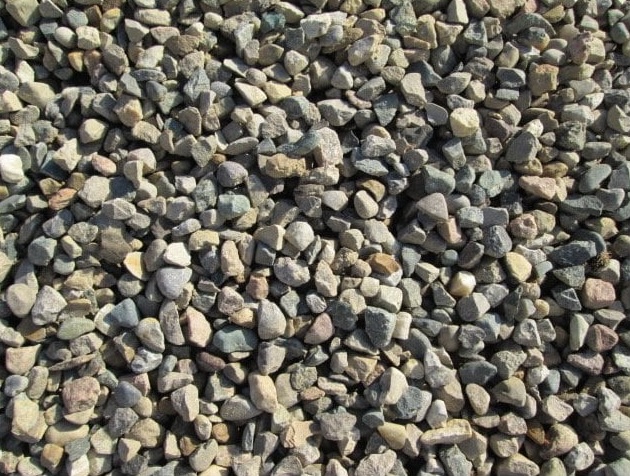
- Gravel – Composed of small stones, gravel provides excellent drainage and is a common choice for driveways, paths, and as a sturdy base material.
- Crushed stone – Produced by mechanically crushing larger rocks, crushed stone aggregates such as MOT Type 1 Sub Base are known for their angular shape, providing excellent stability and interlocking. It’s a very robust aggregate, often used for road bases and foundations.
Choosing the right material
- Sharp Sand: Best for laying paving or screeding.
- Building Sand: Finer than sharp sand; the go-to for mortar and bricklaying.
- 20mm Shingle/Gravel: The standard for driveways—large enough that it doesn’t get stuck in tyre treads, but small enough to walk on.
- Decorative Slate & Chips: Best for borders and low-traffic areas where you want a bit of colour.
How much aggregate do I need?
Accurately calculating the volume of aggregates is crucial to avoid underestimating (leading to project delays) or overestimating (resulting in unnecessary costs).
We have an aggregates calculator tool to make the process as easy as possible.
Simply input your chosen aggregate and the width, length, and depth you need to cover, and let our calculator do the rest!
It’s always a good idea to add a small percentage (around 10-15%) for compaction and potential spillage.
| Expert Tip: Always order about 10-15% extra to account for compaction – when the stones settle and pack down once you start walking or driving on them – and to cover any accidental spillage. |
Understanding the challenges – can you use aggregates for your project?
Before you get too far into planning, it’s important to consider if using aggregates is suitable for your specific project and site. Factors to consider include:
Site access
Can delivery vehicles easily access your property to drop off the aggregates? Tight corners, narrow driveways, or uneven terrain can pose challenges.
Ground conditions
Is the existing ground stable enough to support the weight of the aggregates and the intended use of the area? Soft or waterlogged ground might require additional preparation.
Drainage
Will the use of aggregates impact existing drainage patterns? Proper drainage is essential to prevent water buildup and potential damage.
Regulations
Are there any local regulations or permits required for your project, especially if it involves significant land alteration or using large quantities of materials?
Addressing these challenges early on will save you time and potential headaches down the line.
How to prep the land for aggregates
Just as preparing a flower bed before planting is key to a successful bloom, proper land preparation is key to a successful aggregate project.
- Clearing the area: Remove any existing vegetation, debris, or obstacles from the project site. If you need to lower the existing ground level, excavate the area to the desired depth.
- Levelling and compacting: Ensure the underlying soil is level and compact using a plate compactor or roller. This provides a stable base for your aggregates.
- Installing edging: For pathways or driveways, installing edging and kerbs can help contain the aggregates and create a neat finish.
| Expert Tip: Block the Weeds. Before you pour your stones, lay down a heavy-duty weed membrane. It’s a small extra step that saves hours of weeding later on by stopping growth from coming up through your gravel. |
How to calculate the total cost of your aggregate project
Estimating the total cost involves more than just the price of the aggregates themselves. Consider these factors:
| Cost of aggregates | Material costs vary depending on your chosen aggregate and the amount you need. At Beatson’s, we offer aggregates in sample, small, and bulk bags. If you’re unsure which aggregate to choose, our sample bags can help you find the one you like best, avoiding the hefty cost of ordering a bulk amount only to find you don’t like it. |
| Delivery charges | Factor in the cost of transporting aggregates to your site. Costs can vary depending on distance and volume, so always plan for them in your budget to avoid nasty surprises. |
| Equipment rental | Larger-scale projects might require specialist equipment, such as excavators or compactors. |
| Labour costs | Large projects might require a specialist or even a large team of workers who will charge for their labour; ensure this is factored into your budget. |
| Additional materials | If you’re opting to add edging to your aggregates project or need additional materials like binding agents or even new tools to complete the job, don’t forget to factor these into your budget. |
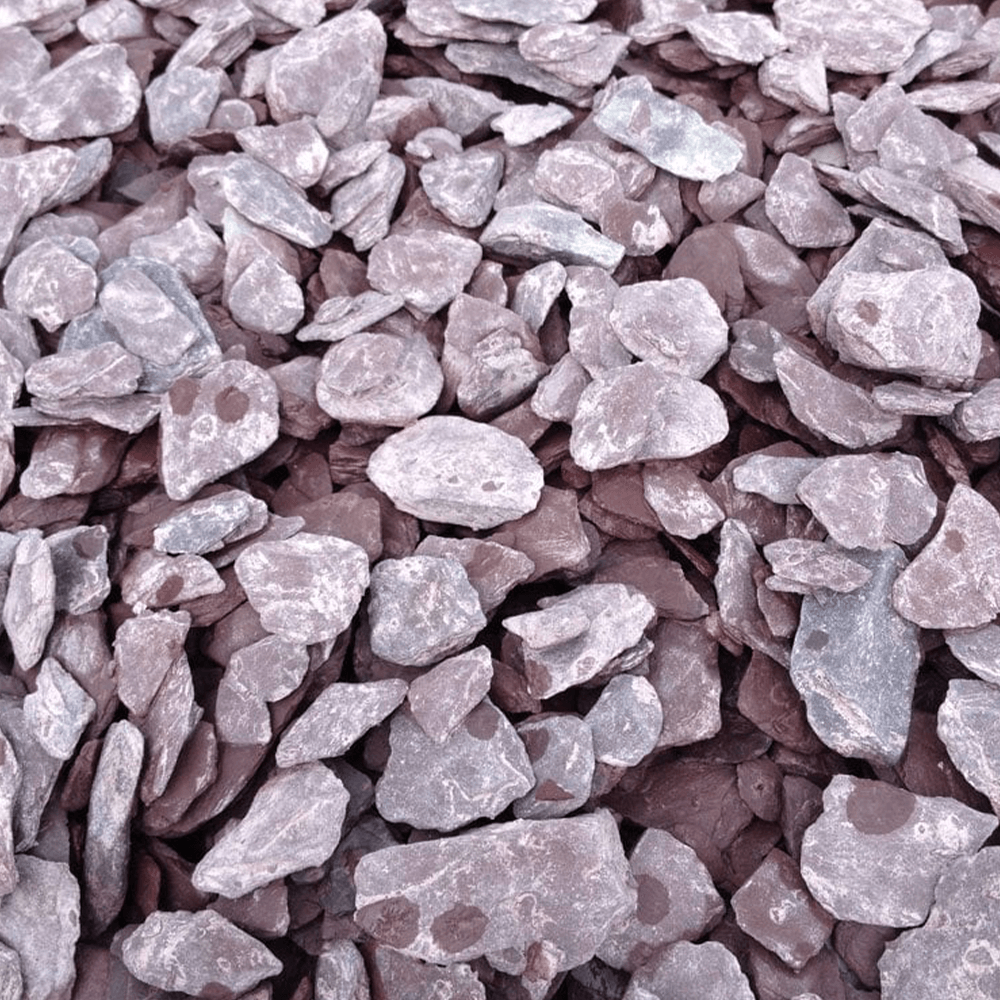
Beatson’s Plum Slate Chippings
Transform your garden with aggregates at Beatson’s
By carefully considering all these factors, you can create a realistic budget for your aggregate project and ensure there are no unexpected outgoings as you work towards enhancing your outdoor space.
We have an excellent selection of aggregates to browse at Beatson’s. From building aggregates to decorative options, we have everything you need, no matter the project.
Read next
Choosing between composite and timber decking: Key questions answered
Spring clean your outdoor space ready for warmer months
Porcelain vs sandstone paving: Which is best for your patio?
Comments are closed here.