
Choosing Between Composite and Timber Decking: Key Questions Answered
Choosing the right material is crucial if you’re planning to build or update your garden’s decking. Two of the most popular options are timber decking and composite decking, each with its advantages and drawbacks. In this guide, we’ll answer key questions to help you decide which is best for your needs.
Table of contents
Cost comparisons: Composite vs timber Decking
Durability, lifespan and sustainability
Slip resistance and safety features
Which option is best for your needs?

What is timber decking?
Timber decking is a traditional and natural choice for outdoor spaces. Typically made from softwoods like slow grown pine or hardwoods such as oak. Timber decking provides a classic look that blends beautifully with garden surroundings.
Pros of timber decking:
- Natural and timeless appearance
- Can be painted or stained to match any style
- Generally more affordable upfront
Cons of timber decking:
- Requires regular maintenance (sealing, staining, and cleaning)
- Susceptible to rot, warping, and splintering over time
- Can become slippery when wet
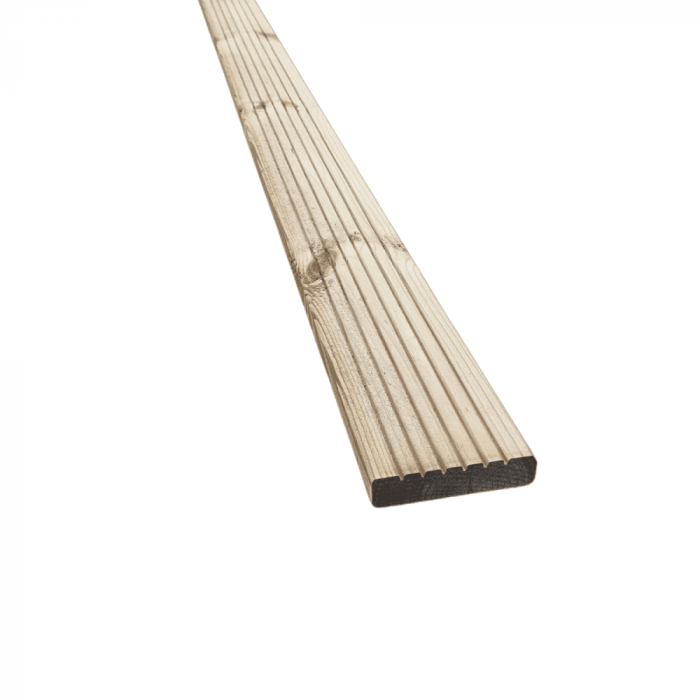
Decking Boards 3.6m x 120mm x 28mm
What is composite decking?
Composite decking is a modern alternative made from a mix of wood fibres and recycled plastic. Composite deck boards offer a low-maintenance, durable solution that mimics the charm of real wood while reducing upkeep.

Pros of composite decking:
- Low maintenance – no staining or sealing required
- More resistant to rot, mould, and insect damage
- Available in a range of colours and finishes
Cons of composite decking:
- Higher initial cost compared to softwood decking
- Can retain heat in direct sunlight
Composite Decking Boards 3.6m x 150mm x 25mm
Cost comparisons: Composite vs timber decking
Cost is often a deciding factor when choosing between composite and timber decking, especially if you want to complete other garden renovations and have a limited budget.
- Timber decking: Softwoods like pine are more affordable, starting at around £15-£30 per square metre. However, premium hardwoods can cost up to £80 per square metre.
- Composite decking: Prices range from £50-£100 per square metre, but the long-term savings on maintenance can offset the higher upfront cost.
Durability, lifespan and sustainability
Durability is another crucial factor. While softwood decking may last 15-20 years with regular upkeep, composite decking can last much longer due to increased resistance to splitting, cracking, rot, and warping.
Composite vs timber decking: Which is more sustainable?
Both timber and composite decking have environmental impacts. Composite decking uses recycled materials and has a longer lifespan, reducing the need for replacements. Timber decking has its benefits, coming from renewable sources and being biodegradable, but it doesn’t last as long, resulting in replacements being required.
For an eco-friendly choice, look for FSC-certified wood or composite decking made from recycled plastics.
What are the maintenance requirements?
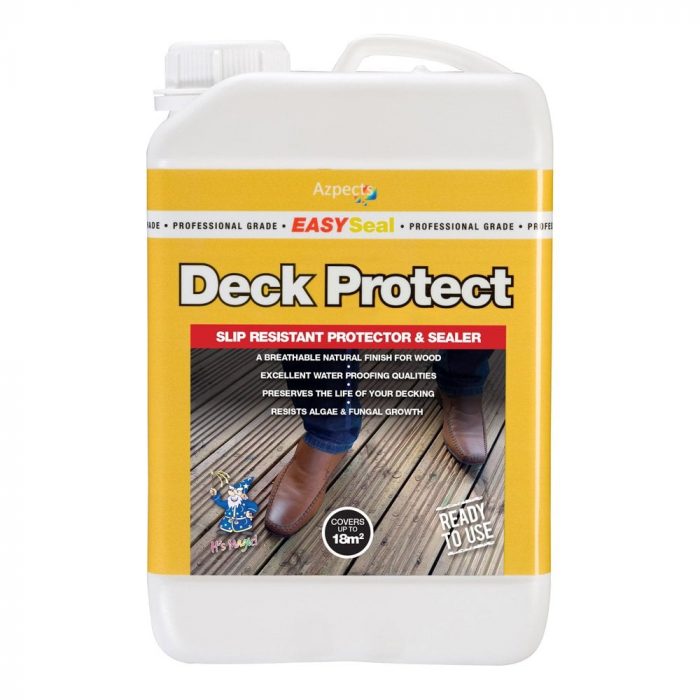
Wood decking: Requires frequent staining, sealing, and cleaning to prevent weather damage and extend its lifespan. Azpects EASYSeal Deck Protect is an ideal all-around protectant.
Cleaning composite decking: Only needs occasional washing with soap and water to remove dirt and mildew. No staining or sealing is required.
Weather resistance – performance differences
Composite decking is more resistant to moisture, mould, and temperature fluctuations, making it ideal for unpredictable British weather. Timber decking is more susceptible to swelling, warping and rotting as it absorbs moisture more easily.
Slip resistance and safety features
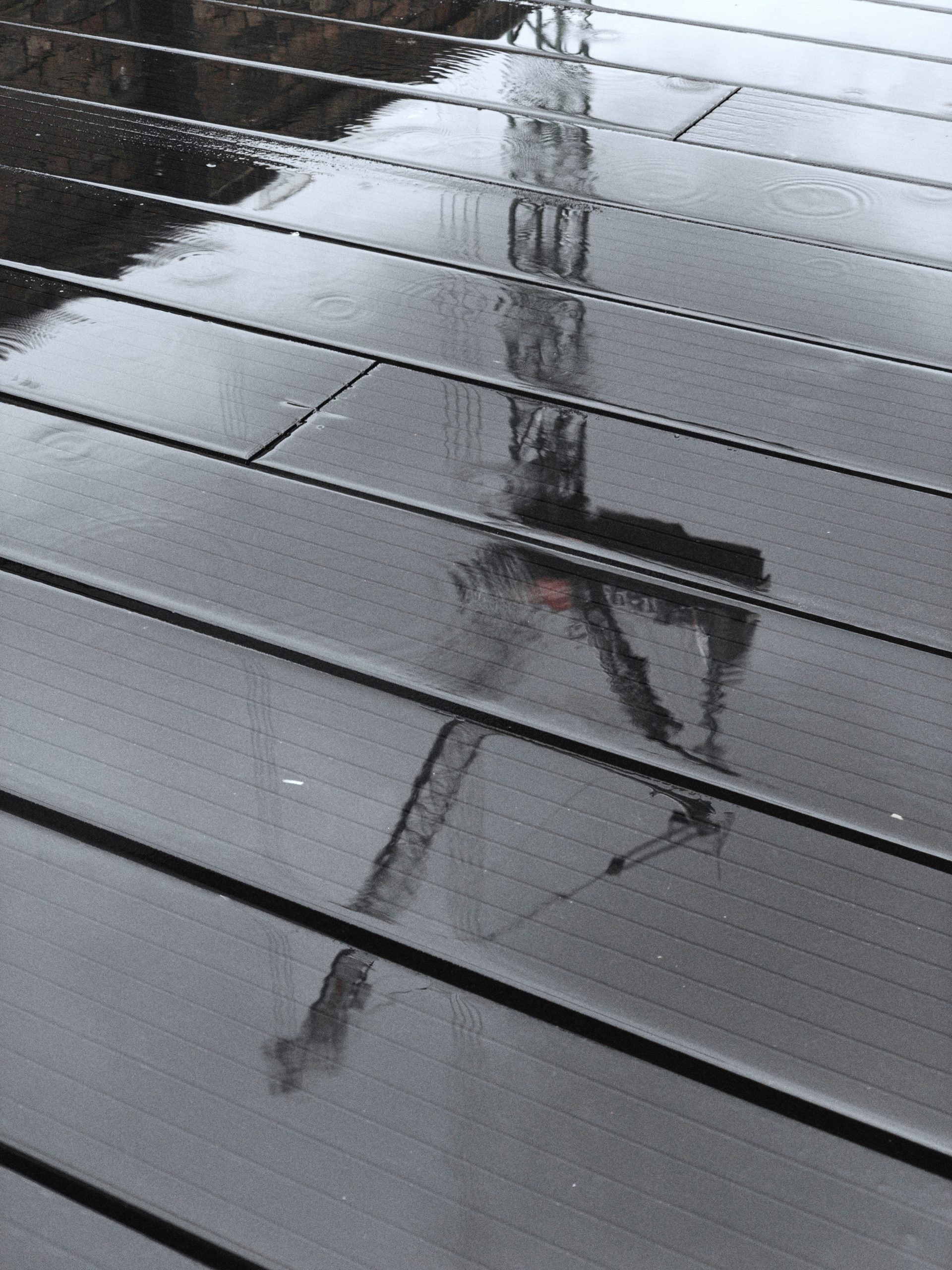
Safety is an important consideration, especially for families. Timber and composite decking can become slippery when wet, particularly if it hasn’t been treated properly. Decking requires cleaning regularly with warm and soapy water to remove the layer of mildew that can form a slippery surface. Anti-slip inserts can be installed along the grooves of timber decking to reduce slipping, especially during icy winters.
Which option is best for your needs?
Choosing between timber and composite decking depends on various factors, including budget, maintenance preferences, aesthetic desires, and environmental considerations.
- Timber decking: Ideal for those who appreciate the natural charm of authentic timber and are willing to invest time and effort into regular maintenance. It’s also a more budget-friendly option upfront, especially with softwoods.
- Composite decking: Suited for individuals seeking a low-maintenance, durable solution with a longer lifespan. While the initial investment is higher, the reduced upkeep costs and extended durability can make it more cost-effective in the long run.
Create your ideal decking area with Beatson’s
At Beatson’s Building Supplies, we offer a comprehensive range of composite deck boards and timber options to cater to diverse styles and budgets. Our expert team is on hand to provide guidance and help you make an informed decision that aligns with your specific needs.
Browse our extensive range of tools, workwear and PPE to ensure you have everything you need to do the job safely.
Find your nearest Beatson’s branch or explore online to discover the perfect decking solution for your outdoor space.
For more insights and tips on decking and outdoor improvements, check out our blog:
Comments are closed here.