
How to Keep Decking Slip Free Throughout Winter
| Your Winter Decking Maintenance Checklist To keep on top of things, keep this checklist in mind from November through February: Sweep weekly: prevent leaves from turning into mulch. Inspect for rot: Soft wood is slippery wood. Check for soft spots. Clear the gaps: Use a putty knife or screwdriver to clear debris between boards (this helps drainage). Grit responsibly: If you use salt/grit for ice, wash it off once the thaw comes. Salt can dry out timber and damage fixings over time. Check your lights: You are more likely to slip if you can’t see the ice. Check that your outdoor lights or path markers are working. |
Mulched leaves, rainy weather and frosty conditions can all combine to turn your decking into a slip-and-slide in winter.
Not only is it inconvenient, but it’s dangerous, especially if you have young children.
Fortunately, you can stop decking from being slippery in winter with some easy maintenance. Keep everyone safe and your garden decking enjoyable all year round with these top tips from Beatson’s!

Jump to:
- Why does decking become slippery?
- How to stop decking from being slippery
- Composite vs. Wood: Is there a difference?
- Why maintenance matters
Why does decking become slippery?
When your decking becomes slippery, there are usually three main culprits working together:
- Biological Growth: In damp, shaded conditions, algae, fungus, and moss thrive on timber. When wet, this creates a slime layer that offers no traction.
- Debris: Fallen leaves that are left to rot release tannins and hold moisture against the wood, accelerating that slime growth.
- Ice: The obvious one. Trapped water in the grooves of the wood freezes overnight.
How to stop decking from being slippery
We have compiled our best methods to ensure you stay upright this winter, ranging from quick daily chores to long-term product solutions.
1. Regularly Scrub and Sweep Your Deck
It may seem like an obvious suggestion, but regularly cleaning your decking goes a long way to reducing slippiness in winter. Some key culprits in slippiness are fallen leaves, mud, moss and the growth of algae and fungi. Regularly brushing your decking will prevent the build-up.
Brush with a stiff-bristle brush
A stiff-bristle brush will make the job easier, but avoid metal. Give your decking a brush every few days to clear pooling water and dislodge mud and leaves. This is the easiest, cheapest way to stop decking from being slippery in winter.
Pay attention to the gaps between your boards
You also need to pay attention to the gaps between your boards. These gaps are there to let rainwater escape. If they are packed tight with mud or leaves, the water sits on the surface and freezes. Run a putty knife or an old screwdriver through the gaps to clear them out.
Use a decking cleaner for a deeper clean
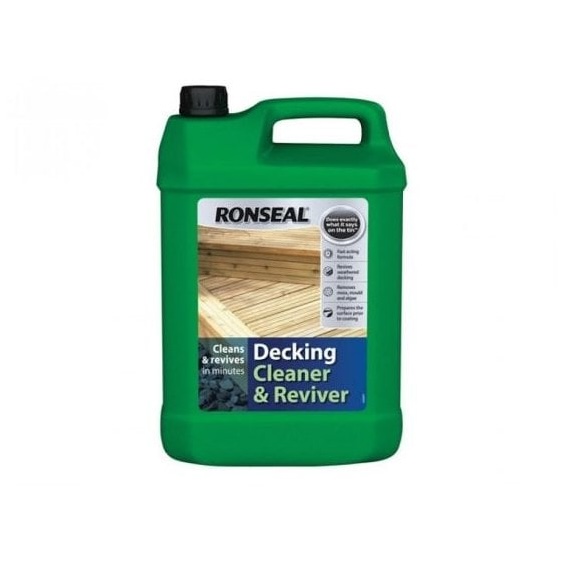
For a deeper clean, use a specialist product like Ronseal Decking Cleaner. It helps revive decking and removes dirt, grease, fungus, stains, algae, mould and mildew.
Recommended Product:
Ronseal Decking Cleaner & Reviver
It is designed to restore and maintain wooden decking, removing dirt, algae, moss, mildew, and other surface contaminants, helping to revive the natural appearance of the wood.
2. Choose the Right Finish: Oil vs. Stain vs. Paint
If you are planning to treat the wood, picking the right finish makes a massive difference to traction. Many people ask us about deck oil vs. anti-slip paint. Here is a quick breakdown to help you decide:
| Treatment Type | Best For… | Grip Level | Durability |
| Decking Oil | Nourishing the wood and keeping a natural look. | Moderate (prevents water logging). | High. Soaks into the grain. |
| Anti-Slip Stain | Changing the colour while adding grit. | Good. Contains microbeads for friction. | Moderate. Needs re-coating eventually. |
| Decking Paint | A solid block of colour to hide old wood. | Good (if specialised non-slip). | Low/Moderate. Can flake if not prepped well. |
3. Use anti-slip strips, decking tape or rubber grip mats
Another option is to apply anti-slip decking tape, strips or rubber mats
- Decking tape is only a temporary solution, but ideal if you just want to make your deck safer throughout the colder months. It is easy to apply and can be placed just where it’s needed, such as high-traffic areas, steps, or anywhere you need to access all year round.
- Anti-slip tape is best applied on a clear, dry day onto a clean surface. So ensure you’ve brushed away any dirt before applying the tape. It isn’t a permanent fix, but it will make your decking less slippy in the short term.
- Screw-down anti-slip strips are a more permanent fix. They provide a gritted, non-slip surface and are screwed into the decking boards rather than sticking on top, making them a longer-lasting option.
4. Add rubber grip mats
Perhaps not the most aesthetically pleasing, but rubber grip mats offer a smart, fast solution to slippy decking. They are ideal if you need a path across your deck or need a temporary non-slip play area for young children.
They are a readily available solution, with many size options and plenty of traction.
5. Improve Visibility
You can’t avoid ice if you can’t see it. Winter days are short, so check that your outdoor lights or path markers are actually working. Replacing a blown bulb is a simple way to prevent a fall.
6. Dealing with Ice: To Grit or Not to Grit?
When the temperature drops properly below freezing, you might be tempted to throw rock salt or grit down. While this is fine for driveways, you need to be careful with timber.
Salt draws moisture out of the wood, which can cause the boards to dry out and crack over time. It can also corrode metal fixings (screws and fasteners). If you do use grit or salt to make the surface safe during a freeze, just make sure you wash it off thoroughly with a hose once the thaw comes.
7. Wear the right footwear
It seems obvious, but don’t go out in your slippers if you’re walking over a treacherous decking! Ensure you wear some solid footwear, even if you have other anti-slip precautions. Better safe than sorry.
Composite vs. Wood: Is there a difference?
We often get asked if composite decking is less slippery than wood. Generally, yes—composite boards absorb less water, so they dry faster and attract less algae. However, they aren’t immune. Ice will still form on the composite, and pollen or dirt can still create a slick film. The cleaning rules above apply to both, though you should be gentler with the scrubbing on composite to avoid scratching the finish.
Why does decking need maintenance?
If you’ve invested in decking or worked hard to fit it yourself, you’ll want to take good care of it to make it worthwhile. Maintenance is important for aesthetic reasons and for keeping your decking safe, long-lasting, and valuable. Plus, regular maintenance throughout the year makes the task of stopping the decking from being slippy in winter much easier.
- Prevents potential problems – By maintaining the quality of your decking, you help prevent major issues from arising. Instead, you can recognise and fix the problem before it becomes bigger, more dangerous, and more costly. For example, rotting and rusting can be nipped in the bud before needing a much bigger fix or replacing your entire decking.
- Increases longevity – Maintaining your decking helps it to last longer. One of the best ways to increase the longevity of your decking is to treat the wood. This prevents decay, rotting, and insect damage and gives your decking a fresh appearance. It will last much longer by preventing damage to your decking before it even begins.
- Keeps up appearances – As an extension of your home, it’s natural to want your outdoor space to look as good as the indoors. A well-maintained deck keeps your garden looking inviting and makes you more inclined to utilise the space. Power washing your decking is a great way to deep-clean the surface and remove tougher dirt and grime. It’s also an effective way to prep your decking for sealing or staining, which helps increase its longevity.
- Increases value – Even if it’s not a consideration for you now, a well-maintained deck can increase the value of your home if you ever decide to put it on the market. A beautiful deck will be a selling point for many buyers and make your home stand out from the competition. Taking good care of your decking is beneficial for the present and future you!
Discover decking and supplies at Beatson’s
Feeling inspired? Our decking collection has everything you need to build a brilliant deck for your garden, including decking boards, posts, joists and more. And, with our handy tips, your decking can remain slip-free through winter and beyond.
Latest news from Beatson’s
The Ultimate Guide to Internal Doors
Comments are closed here.