Preparing your outdoor space for autumn and winter
As the colder temperatures of autumn and winter set in, you may think it is time to retire your outdoor living area for another six months. But that isn’t the case!
There are plenty of ways to utilise your space throughout the colder seasons. At Beatson’s, we love helping people make the most of the gardens you’ve worked hard to create; our tips will help you embrace it all year round.
The autumn and winter seasons play host to Halloween and Bonfire Night, which are ideal opportunities to spend time outside, but why stop there? Alfresco dining, evening socialising or quiet relaxation are all perfectly possible with the right outdoor set-up.
When preparing your space for cold weather use, it’s important to consider safety and practicality. With cold, wet weather comes the risk of frost, ice and slippery surfaces from the build-up of fallen leaves.
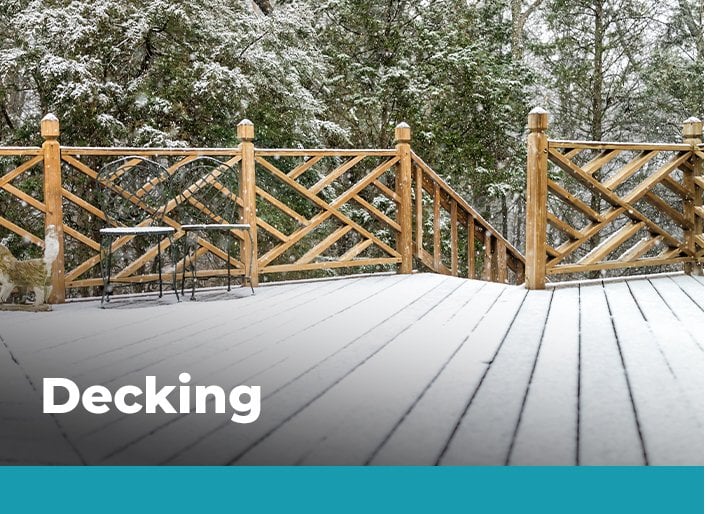
To keep your outdoor space usable and safe, we recommend regular cleaning to remove excess leaves which are the main culprit of slippiness. They can even come in handy for composting - more on that later!

Don’t forget about your driveway in the cold seasons. A slippery driveway can be dangerous for your household, especially for younger or elderly residents who may be unsteady on their feet.

Yes! Not only is building a deck in winter perfectly possible, but it can also be the preferable time to do so, especially if you're using composite decking.
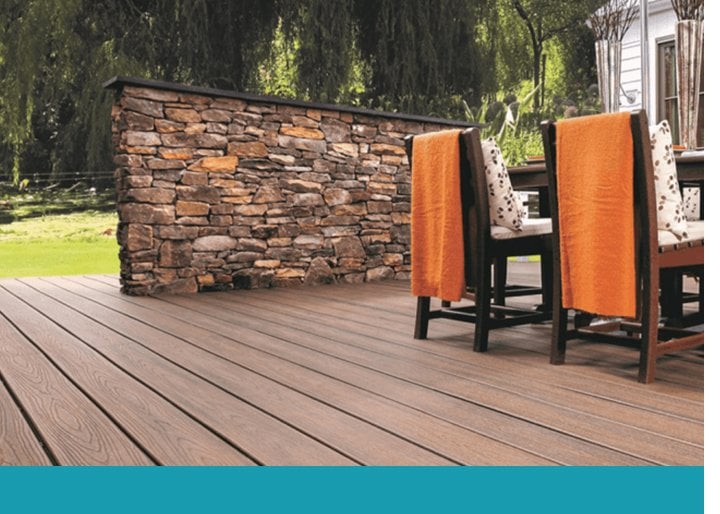
Cold winter conditions lead to harder ground, which has various advantages for deck building. Harder ground offers a stable foundation, minimising the risk of settling or shifting when the ground thaws. It also means less mud and erosion, which causes less damage to the surrounding lawn and ground. Installing a deck in your outdoor living space is also much easier when it isn’t used as often.
The biggest benefit to building a deck in winter is that by the time the warmer weather rolls around, your deck will be ready to use, with plenty of time to add any personal touches.

New and existing decking will need some TLC before the cold weather hits. Treating decking protects it from damage from the elements, pests, dampness and fungal growth. It extends the lifespan of your deck and keeps it looking its best.
Decking oil comes in various natural shades and nourishes the deck while protecting against harsh weather and general wear and tear. A deck sealant provides waterproofing qualities and preserves the life of your decking with algae and fungi resistance. It can also be used on porous, bare, or uncoated fences and sheds.

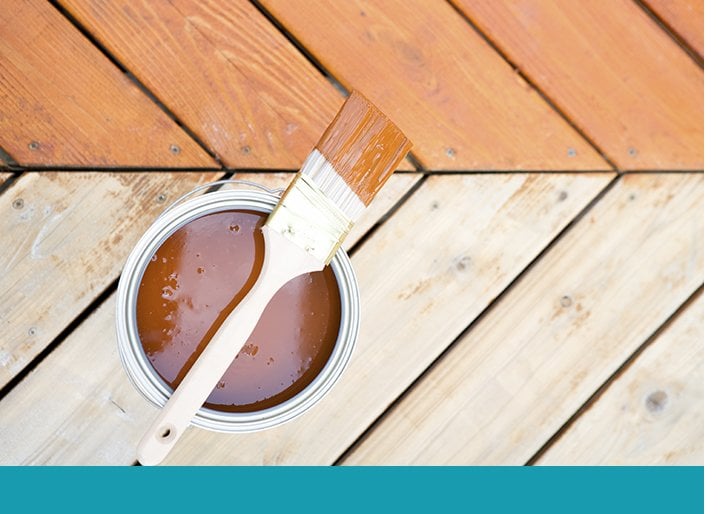
Decking treatment is best applied in dry conditions. We recommend applying it during late summer or early autumn when there is still enough dry weather for the treatment to absorb properly. This will give you fresh, strong protection for the autumn and winter weather.
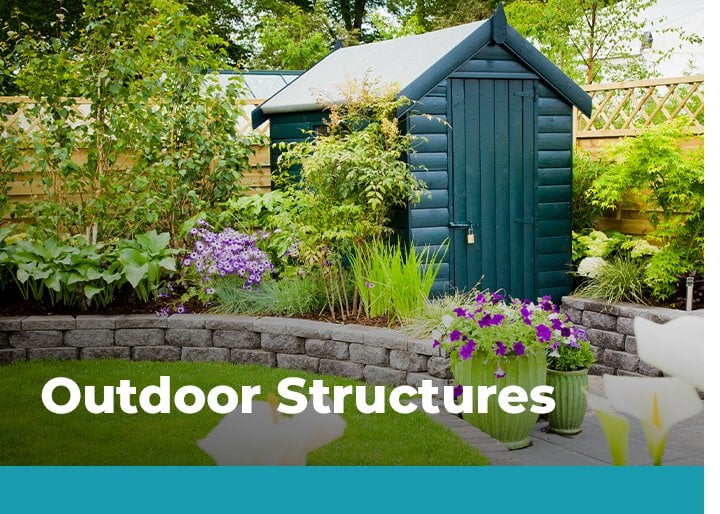
It's also important to look after outdoor structures, like bars, buildings or sheds.
- Wash down roofs with water, mild soap and a soft brush. Ensure you remove fallen leaves as if left to build up; they can rot and cause damage to your building.
- Retouch any chipped paintwork on wooden structures using a special protective fence paint.
- Add further protection with a wood-preserving treatment.
- Check over hardware like shingles and bolts and ensure they are secure and well-lubricated.

While artificial grass is designed to withstand harsh weather conditions, it's best to take some precautions to ensure yours makes it through the cold months without issue.
- Pre-winter checks. Check your artificial grass for any signs of wear or damage, repairing any issues before the cold weather sets in which can worsen things.
- Learn how to remove snow properly. Use a snow-removal method that minimises damage. For example, a plastic shovel or leaf blower will work for light snow, while a soft, non-metallic brush works for a heavier covering.
- Drainage check. Ensure the drainage of your artificial grass is clear and functioning properly to avoid water building up and turning into ice.
- Reduce foot traffic. Avoid walking on artificial grass during snowy, frost conditions to avoid matting or fibre damage.


Flooding can be a real concern in autumn and winter, especially when it feels like the rain will never stop. Fortunately, there are many ways to mitigate the risk of flooding in your garden. Focus on improving drainage, reducing runoff, and creating settling space for water.
- Clear guttering and drains to ensure they are properly draining and debris-free.
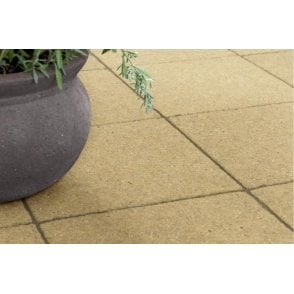
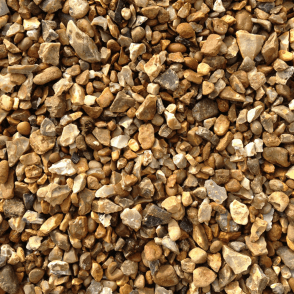
- Improve drainage by opting for permeable paving or aggregates for patios and paths throughout your garden, allowing water to permeate through.
- Manage your soil and vegetation. De-compact soil regularly to improve drainage and plant various leafy shrubs and plants to intercept rainfall and absorb groundwater through the roots.
- Install water butts to collect rainwater from your roof and gutters.
Use our aggregates calculator to find the right amount of aggregates for your project.

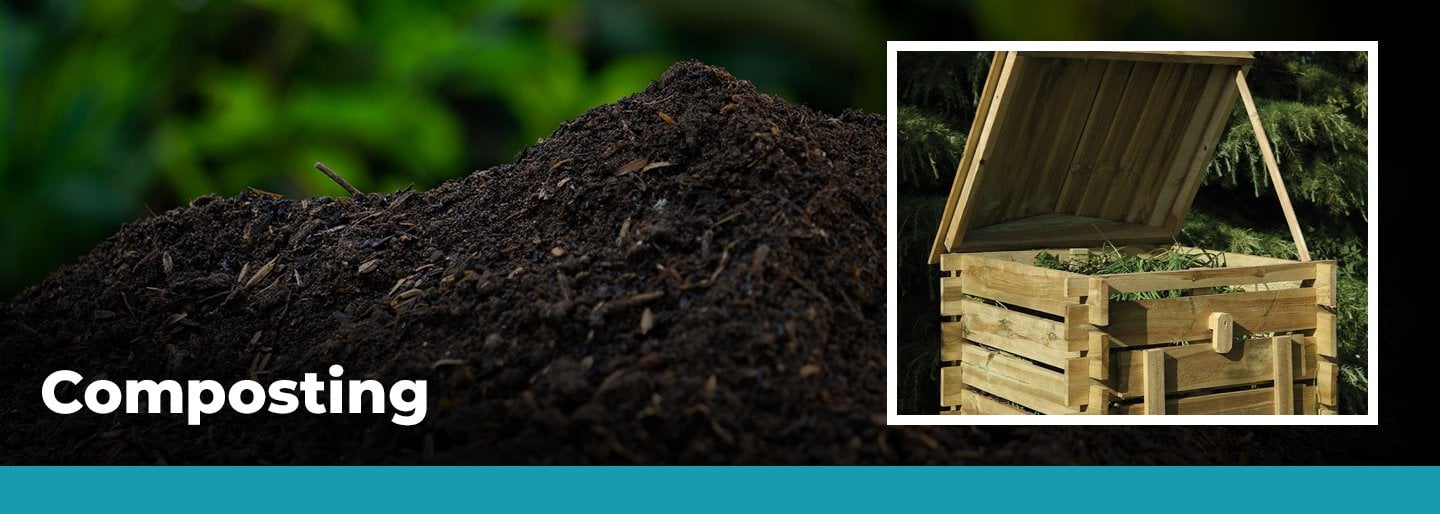
Investing in a compost bin is one way to utilise your garden throughout autumn and winter. The green-fingered among you will know that the composting process slows down through the cold seasons, but it's still a worthwhile endeavour.
There are plenty of everyday things you can compost:
• Grass clippings • Dead plants and crops • Coffee grounds • Used tea
• Plant cuttings • Old flowers • Leaves • Shredded paper • Eggshells
The RSPB have an excellent, beginner-friendly guide to composting.

If you have a lot of trees in or around your garden, you may have piles of fallen leaves to deal with.
Collect your leaves into a bin liner and dampen them if they are dry, then pierce the bag and loosely tie the top. Fill as many bags as you can in the same way, then tuck them away somewhere hidden for up to two years to create leafmould.
Good quality leafmould (over two years old) is excellent for using as seed-sowing compost or mixing into sharp sand, garden compost and soil for potting.
Poor quality leafmould or leafmould less than two years old is perfect for use as mulch, soil improver, autumn top-dressing for lawns or winter covering for bare soil.
This is a great way to make the most of every inch of your garden in every season!

For the green-fingered, autumn and winter can still be a busy time for planting.

Leafy greens like lettuce, spinach, kale and rocket are all robust enough to grow throughout the colder months. You can also plant vegetables like broccoli, Brussel sprouts, cabbage, leeks, onions and garlic for harvest in the following spring and summer.
You can still enjoy some colour in your garden even through the cold winter months. Pansies and violas are classic choices. For early spring blooms, bulbs like daffodils, hyacinths, crocuses, and tulips can be planted in autumn. Cyclamen, winter heather, and polyanthus primroses can also add colour to your garden through winter.
Winter plants will need some protection from frost and cold weather. Cloches, cold frames and fleece can help keep them healthy.