
Tips for Winter Driveway Maintenance: Stop Frost Damage & Stay Safe
| TL;DR: Winter Driveway Care Prep: Inspect your driveway for cracks and seal them early to prevent freeze-thaw damage. Clean: Remove autumn leaves and debris regularly to avoid them becoming slippery. Clear: Shovel snow immediately using a plastic shovel (metal shovels cause scratches). Protect: Use the right de-icing rock salt. Renovate: If you need a new surface, concrete and paviors offer excellent winter durability. |
Cold, wintery weather brings many challenges. Whether it’s slippery paths, delayed public transport or freezing temperatures, winter can be tricky to navigate. You might not consider your driveway an issue unless it becomes blocked with snow, but it will need some extra TLC throughout the cold months.
A well-maintained driveway not only ensures your safety but also increases kerb appeal, so it’s worth following our essential tips for winter maintenance to keep your driveway looking its best through winter and beyond.
Jump to:
- Taking Preventive Measures: Inspect & Seal
- Winter-Proofing Your Driveway: Step-by-Step
- Long-Term Solutions: Durable Driveway Materials
- FAQs
- Discover Paving and Landscaping at Beatson’s
Taking Preventive Measures: Inspect & Seal
The most effective way to handle winter is to tackle potential issues before the temperature drops. We recommend inspecting your driveway for small cracks early in the season.
If water seeps into these cracks and freezes, it expands. This freeze-thaw cycle can turn hairline cracks into gaping holes or cause surface spalling. Learning how to keep the driveway from freezing internally starts with a good seal.
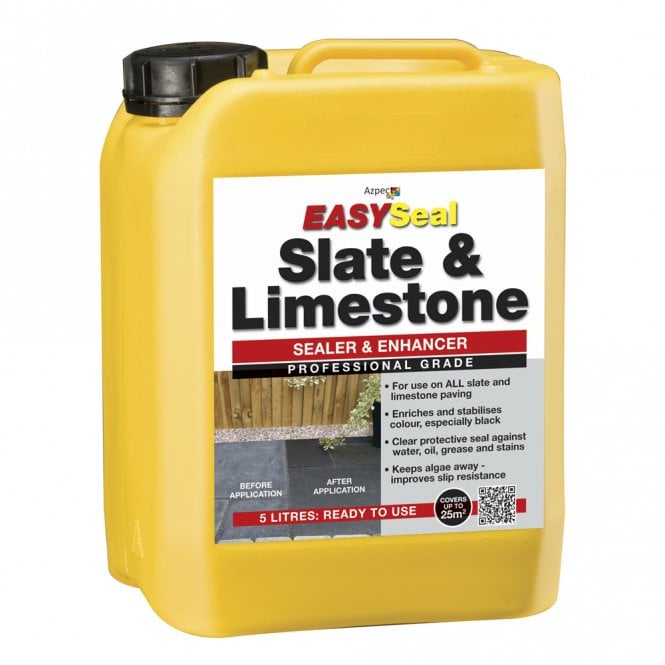
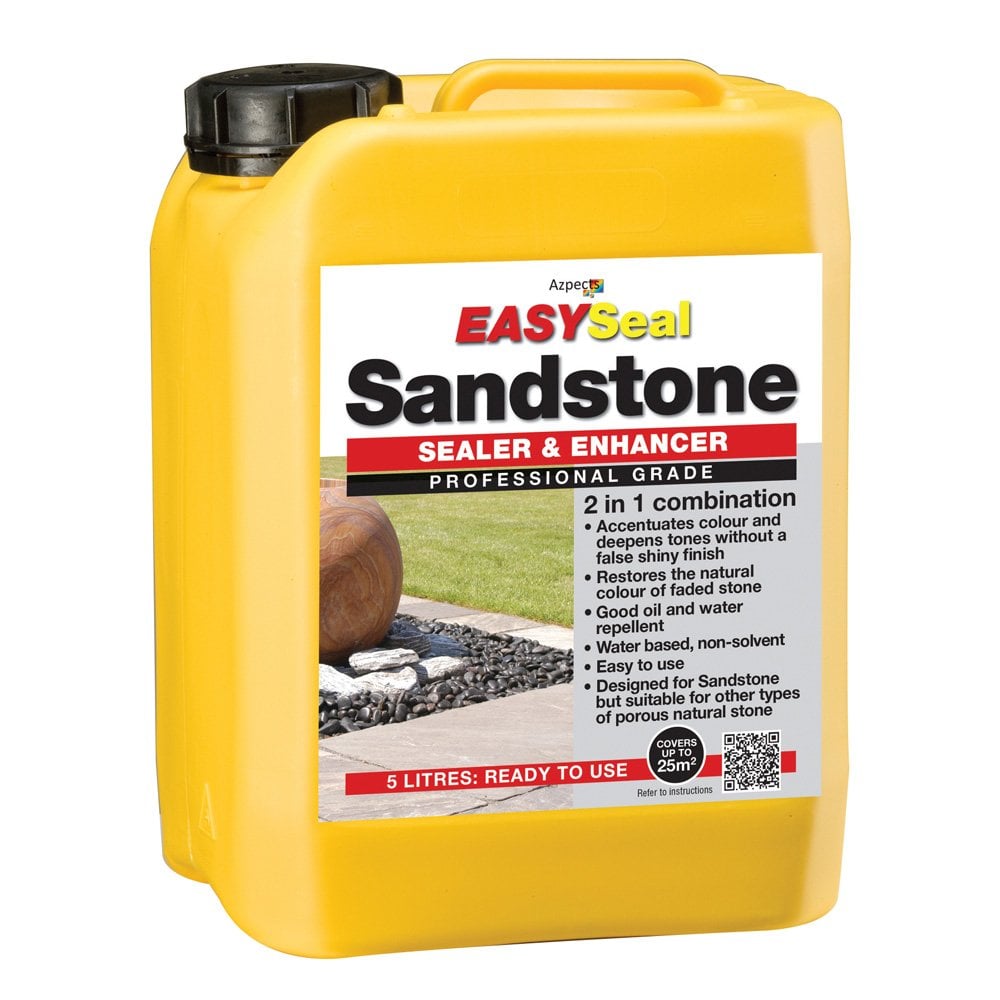
If you find cracks, seal them immediately to prevent water ingress. At Beatson’s, we stock Azpects, which offers an excellent range of high-quality sealants. Products like Easy Seal Sandstone provide effective, easy-to-use protection that acts as a barrier against moisture.
Winter-Proofing Your Driveway: Step-by-Step
While we don’t always get heavy blizzards, the UK mix of rain, ice, and occasional snow can take a heavy toll on paving. Here is a simple step-by-step guide to protect your surface.
Step 1: Clear Snow and Ice Immediately
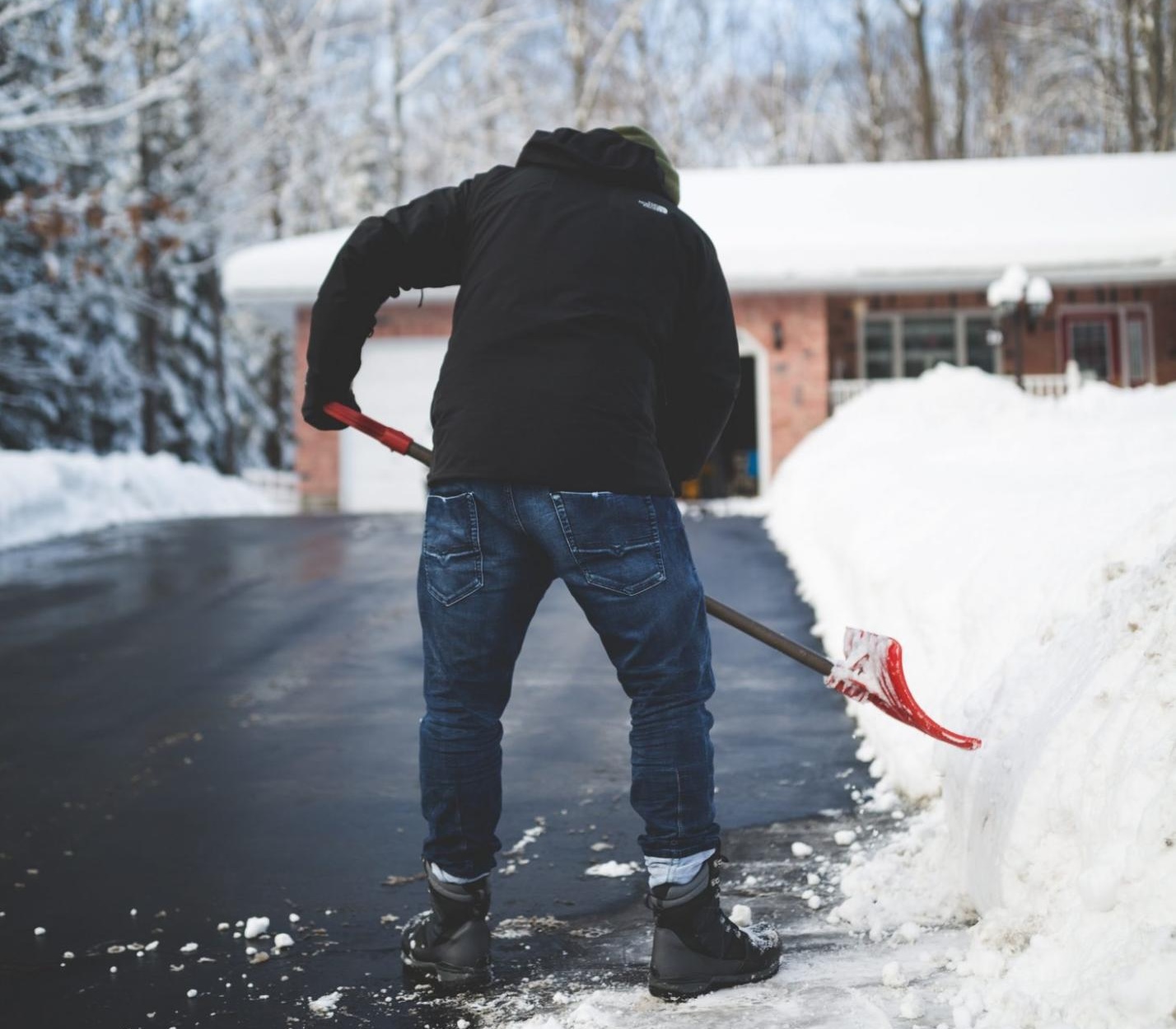
Don’t let snow sit on the surface. If you leave it to accumulate, the bottom layer often compresses into ice, which is difficult to remove and creates a dangerous slip hazard. Clearing fresh snow prevents this bond from forming and stops water from pooling on the surface during the day, only to refreeze at night.
Use a plastic shovel. Metal shovels can scratch the surface of paviors and concrete blocks. A plastic shovel is tough on snow but gentle on your driveway.
Step 2: Clean Up Debris
Autumn leaves may look harmless, but when left on a driveway under snow or rain, they turn into a slippery mulch. This organic matter can leave stubborn stains on sandstone or concrete as it decays. Sweep away leaves, twigs, and dirt regularly to keep the surface clear and safe.
Step 3: Use The Right Salt Or Grip For Your Surface
This is a crucial mistake many homeowners make. While salt melts ice, it is corrosive. It can damage the surface of concrete and attack the mortar joints.
Instead, use white de-icing salt sparingly (which is cleaner) or simple sharp sand/grit to provide traction without the chemical damage.
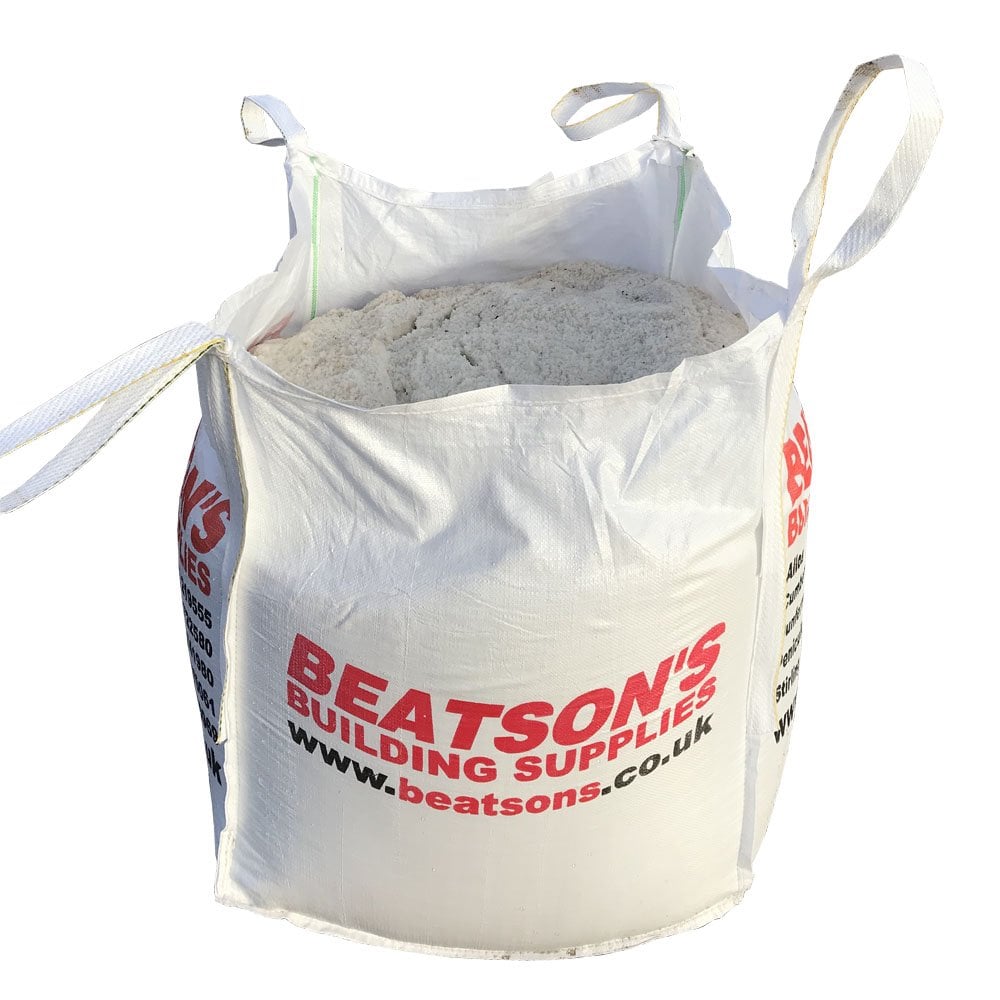
Recommended Product: Deicing Rock Salt
Rock salt for clearing/preventing ice or snow on paths, de-icing roads and driveways. Grit salt is suitable for mixing with sand for additional surface traction on roads and paths. Perfect for rapid de-icing of paths, roads, driveways and stepsFast de-icing leaves the surface free from ice with almost no residueDurable composition, prevents refreezing
Long-Term Solutions: Durable Driveway Materials
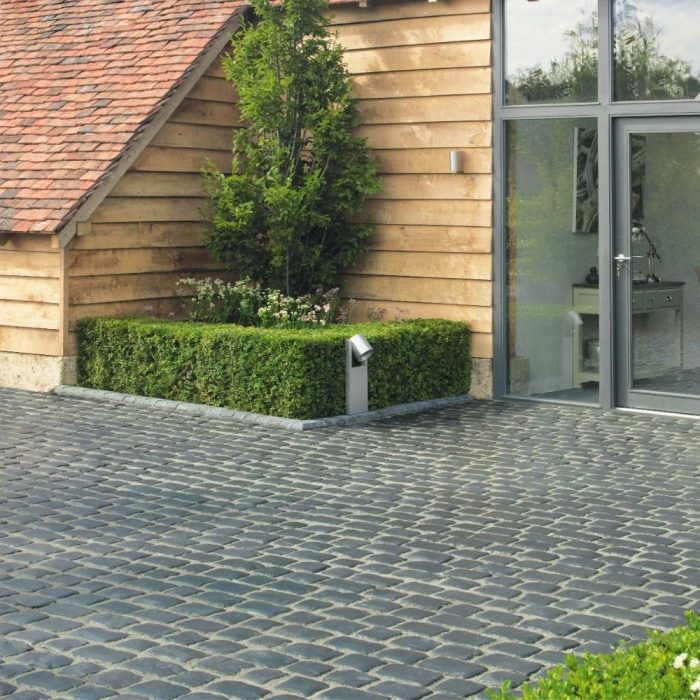
If your current driveway is struggling to survive the winter, it might be time to consider a renovation. When planning a new drive, you need to know the best driveway material for cold weather.
Different materials offer different benefits regarding durability and maintenance. We’ve broken down the most popular options available at Beatson’s in the table below to help you decide.
| Material | Durability & Winter Performance | Maintenance Level | Best For |
| Paviors & Mono Blocks | High. If a single block cracks due to extreme frost or impact, it can be lifted and replaced individually without digging up the whole drive. | Low. Simply sweep and occasional weeding. | Versatility and colour choice. Great for custom patterns. |
| Concrete Paving | Very High. Robust and designed to last 20+ years. Excellent resistance to frost if installed correctly. | Low. Requires very little ongoing care aside from cleaning. | A clean, consistent look and adding value to the home. |
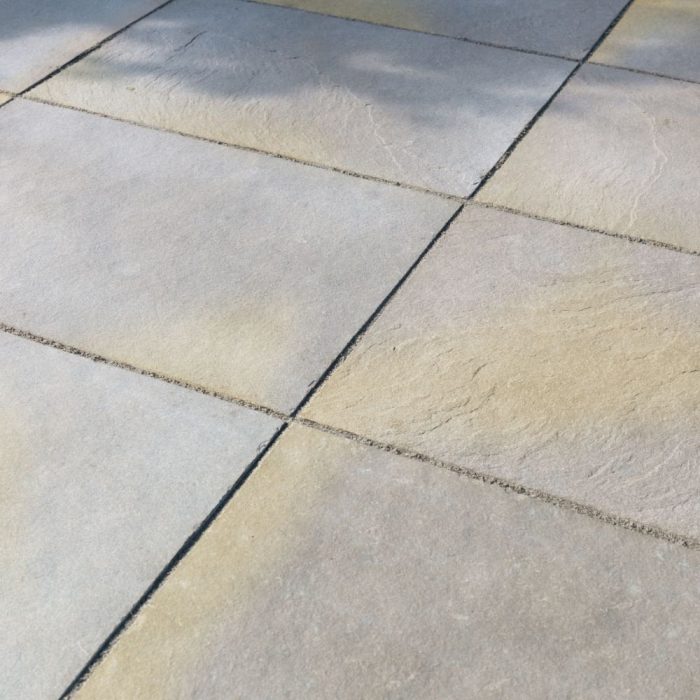
| Limestone | Heavy Duty. A natural stone that withstands heavy vehicle weight easily. It remains cool in summer and durable in winter. | Medium. Easy to clean, but as a natural stone, it benefits from good installation to prevent movement. | Heavy traffic areas and households with pets/kids. |
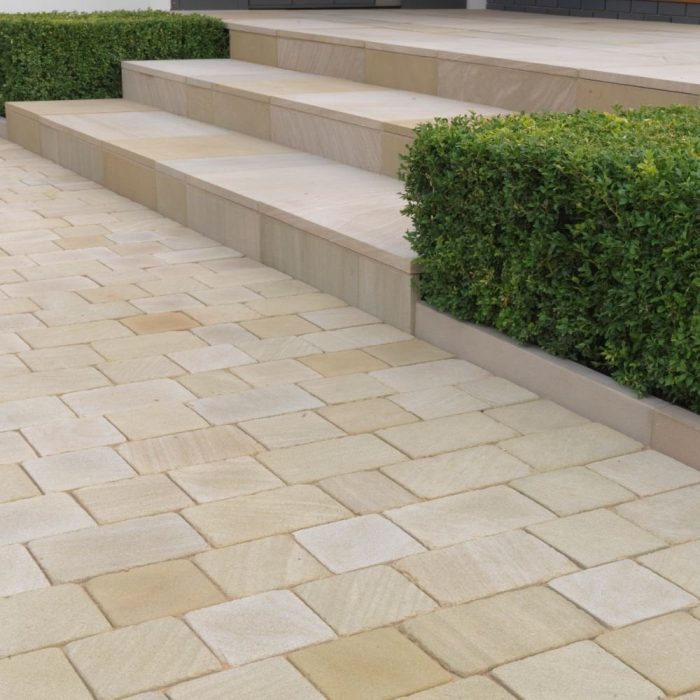
| Sandstone | High. Very hard-wearing. It handles freeze-thaw cycles well due to its natural composition, provided it is sealed. | Medium. Must be sealed to prevent oil stains or water absorption. | Those seeking a natural, textured aesthetic with high “kerb appeal.” |
Frequently Asked Questions
Can I use hot water to melt ice on my driveway?
We strongly advise against this. While it melts the ice initially, the water will cool quickly and refreeze, often creating a sheet of invisible “black ice” that is more dangerous than before. The sudden temperature shock can also cause concrete or paving stones to crack.
How do I look after a gravel driveway in winter?
Gravel is slightly different from paving. We recommend raking the gravel level before the snow hits to ensure an even surface. If you need to shovel snow, leave an inch or so on the ground to avoid scooping up the stones with the snow. Salt is generally safe for gravel, but grit or sand is better for traction.
Is rock salt safe for block paving?
Standard brown rock salt can be harsh. It often contains impurities that leave orange/brown stains on lighter paving. It is also corrosive to concrete over time. We recommend using white de-icing salt or a urea-based de-icer, which is non-corrosive and safer for plants and pets.
I’ve found a crack during winter—can I fix it now?
You can do a temporary patch repair in winter if the weather is dry, but many sealants and fillers require temperatures to be above 5°C to cure properly. It is often best to apply a temporary cover or seal to stop water ingress and plan for a proper repair in the spring.
Beatson’s Winter Essentials Checklist:
- Plastic Shovel: Tough on snow, gentle on paving.
- White De-icing Salt: Cleaner than rock salt.
- Sharp Sand/Grit: For instant traction.
- Jointing Compound: To patch gaps before the freeze.
Discover Paving and Landscaping at Beatson’s
If you’re inspired to give your driveway some TLC, or a full overhaul, check out our full selection of paving and landscaping materials at Beatson’s. From driveways to aggregates, coping and walling, we’re confident we’ve got you covered for your next project.
Read more:
Acoustic Wall Panels: Improve Your Home With Sound Insulation at Beatson’s
Comments are closed here.