
Porcelain vs Sandstone Paving: Which is Best for Your Patio?
If you’re about to embark on a garden revamp, you might wonder which material is best for your patio. Porcelain and sandstone paving are incredibly popular choices, for good reason! They’re both durable materials that look great in any garden. However, they have some differences, and it’s easy to get lost in all the different comparisons.
We have compiled this comprehensive guide to the differences between porcelain and sandstone so you can make an informed decision without trawling through endless comparisons. We have answered all your questions here!
Contents
What are the main differences between porcelain and sandstone paving?
Which paving option is more durable?
Which is easier to maintain, porcelain or sandstone?
Is porcelain paving slippery when wet?
Does sandstone paving require sealing?
Is porcelain paving more expensive than sandstone?
Which paving option is better for a modern or traditional garden?
What are the main differences between porcelain and sandstone paving?
If you’re looking for the differences between porcelain and sandstone at a glance, check out our handy table below for the key comparisons.
| Porcelain | Sandstone | |
| Durability | Less porous, scratch-resistant, and more durable. | Durable but softer than porcelain and more prone to scratches. |
| Water resistance | More water-resistant, with a water absorption rate of less than 0.5%. | More porous, with a water absorption rate of around 1.7%. |
| Environmental impact | Created from natural, raw materials with minimal waste and no harmful additional materials. | Natural, biodegradable, with no harmful additional materials. |
| Maintenance | Low-maintenance and naturally stain-resistant. Only a quick wipe is required to remove moisture. | Easy to maintain, can handle being washed with a pressure washer. Needs to be resealed every one or two years. |
| Installation | Slabs require special equipment for cutting, and the extra adhesive at the base requires specialist techniques for installation. | Easy to cut and install. It can be used to make complex designs. |
| Cost | More pricey. | Cheaper. |
| Design | Consistent, printed surface that emulates natural stone. | Natural, each slab has a unique pattern and wears over time. |
Which paving option is more durable?
If durability is your main concern, both porcelain and sandstone will serve you well, but porcelain does have an edge.
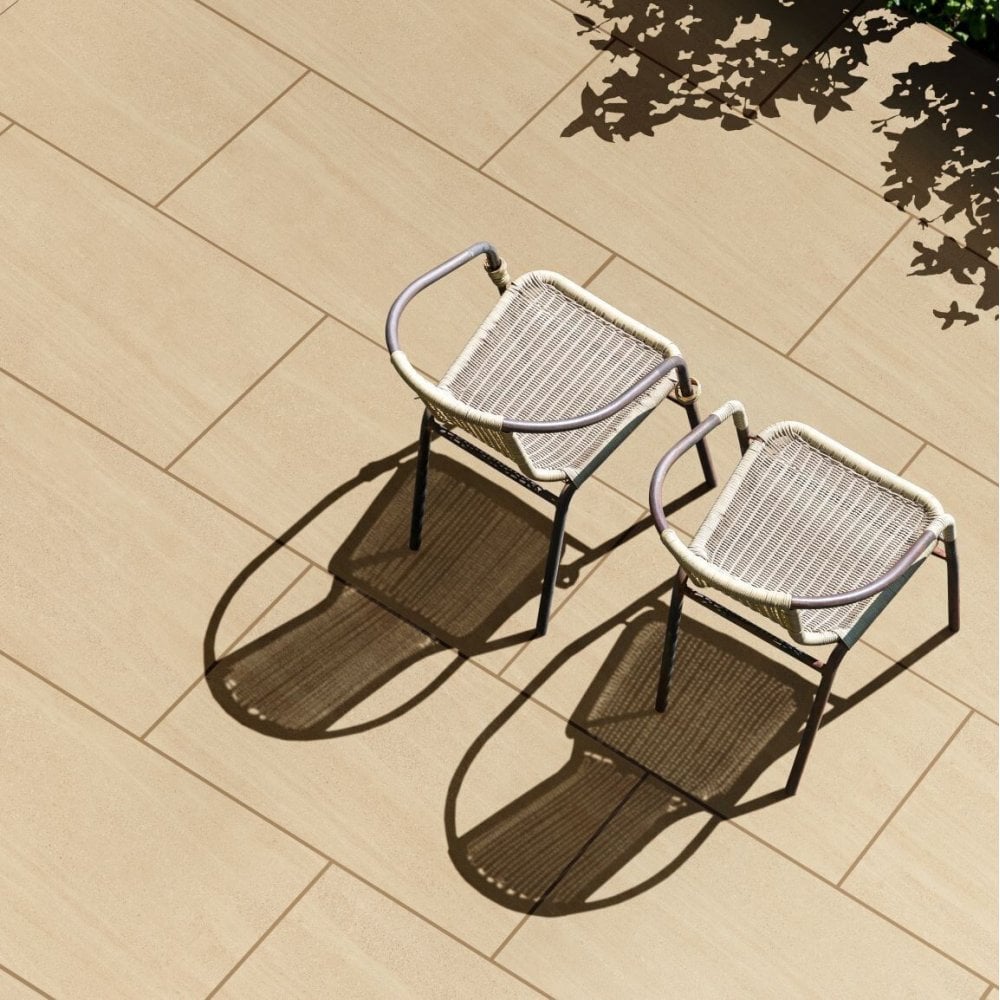
Porcelain paving is made from compressed clay with an image printed onto it to resemble natural stone. The slabs are fired at a high temperature, producing a tough, resilient material with low moisture absorption. Porcelain is a great option if you use your outdoor space heavily for entertaining.
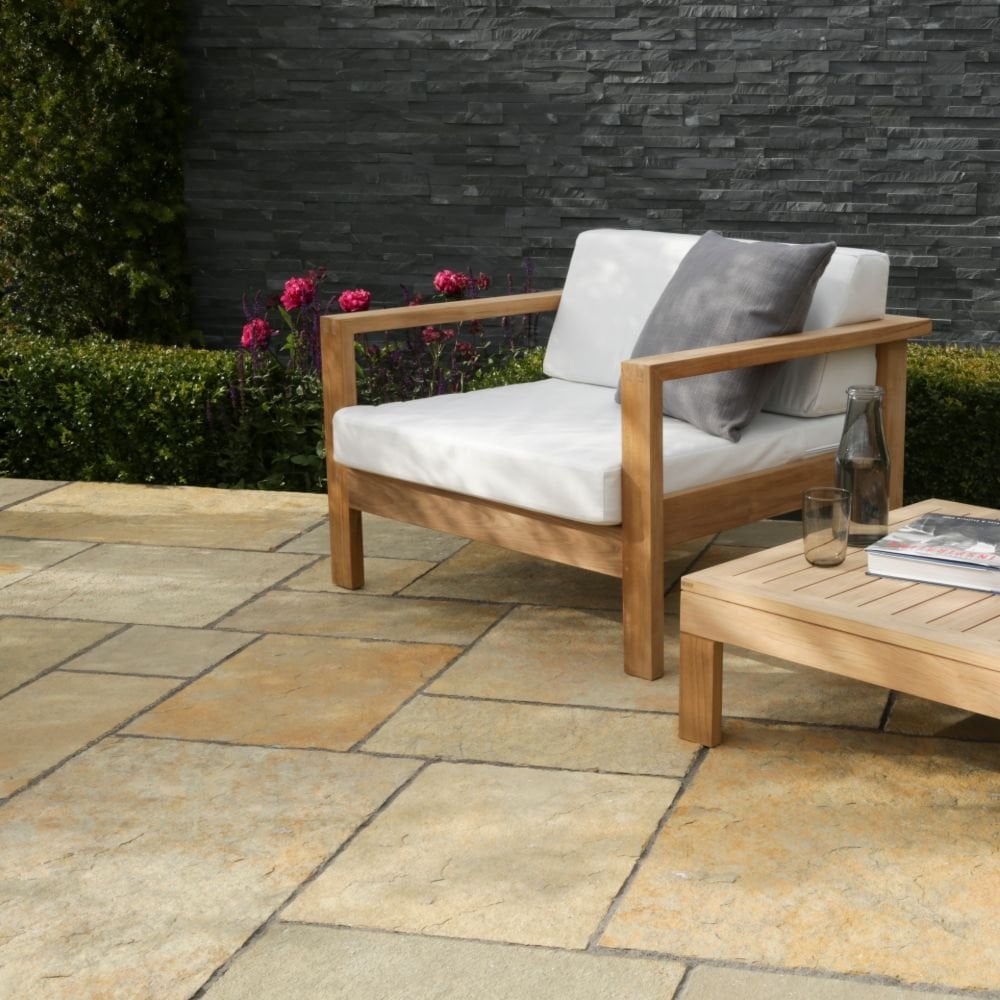
Sandstone is created naturally over thousands of years. It’s tough and thick, ideal for patios and driveways. However, porcelain has the edge in terms of durability.
Which is easier to maintain, porcelain or sandstone?
Thanks to its resistance to moss, mould, and stains, porcelain is easy to maintain. It only requires the occasional wipe clean to keep it looking fresh. Sandstone, while not high-maintenance by any means, requires extra care. It needs to be sealed every 1-2 years and is more susceptible to staining.
Is porcelain paving slippery when wet?
This is a common concern for porcelain paving, but the short answer is no! Porcelain paving is not slippery. It is more slip-resistant than other materials, thanks to its textured surface. The tiny pores on the surface provide a good grip, even when wet.
Of course, no paving material is completely slip-proof, but porcelain is classified as R11 on the R scale.
The R rating is determined using a ramp (hence, R rating). In the test, the material being assessed is placed on a ramp that is gradually raised. Oil is applied to the ramp, and someone walks up in boots. The measurement is taken at the point they slip.
| R Rating | Suitability |
| R9 | Only for use indoors in areas where the floor is never wet. |
| R10 | Typically for use indoors, including areas that are occasionally wet, such as the kitchen. |
| R11 | Ideal for outdoor use, including around swimming pools, internally in bathrooms and wet rooms. |
Does sandstone paving require sealing?
Yes, sandstone will perform best when sealed to protect it from water damage, staining, and discolouration and prevent algae and mould growth.
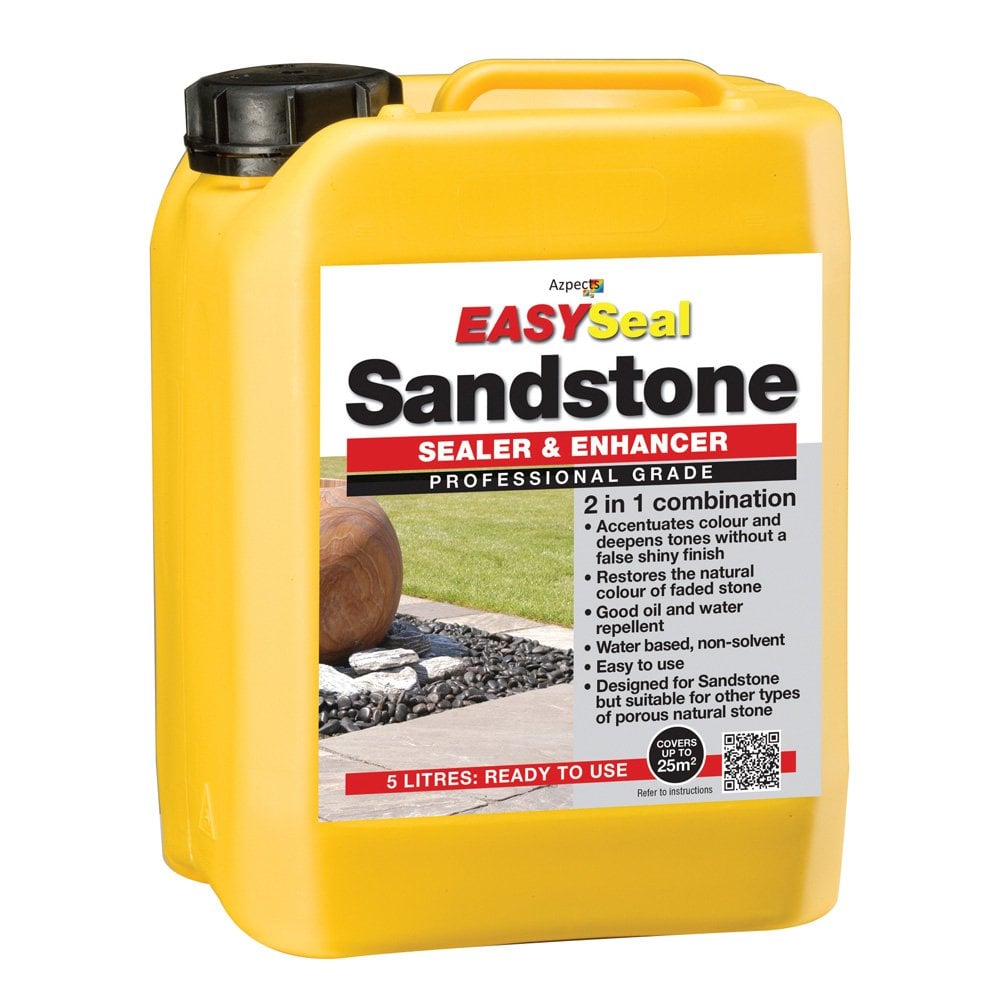
Sandstone is a porous material, meaning that if it isn’t sealed, it can absorb moisture, dirt, and other substances that can affect its appearance and cause it to deteriorate faster. Using a sealant like Azpects EASYSeal Sandstone Sealer and Enhancer will enhance the appearance of sandstone without giving it a false, shiny finish. It will also protect against water and oil, ensuring your paving stays at its best for many years.
Is porcelain paving more expensive than sandstone?
Yes, porcelain paving is more expensive than sandstone due to the additional steps required in its manufacturing process. Sandstone is cheaper as it’s more readily available.
However, if cost is a big factor in your decision, looking at the long-term investment is important. Porcelain has higher upfront costs but is more durable and easier to maintain. Sandstone is cheaper initially but requires regular sealing and is slightly less durable than porcelain.
Which paving option is better for a modern or traditional garden?
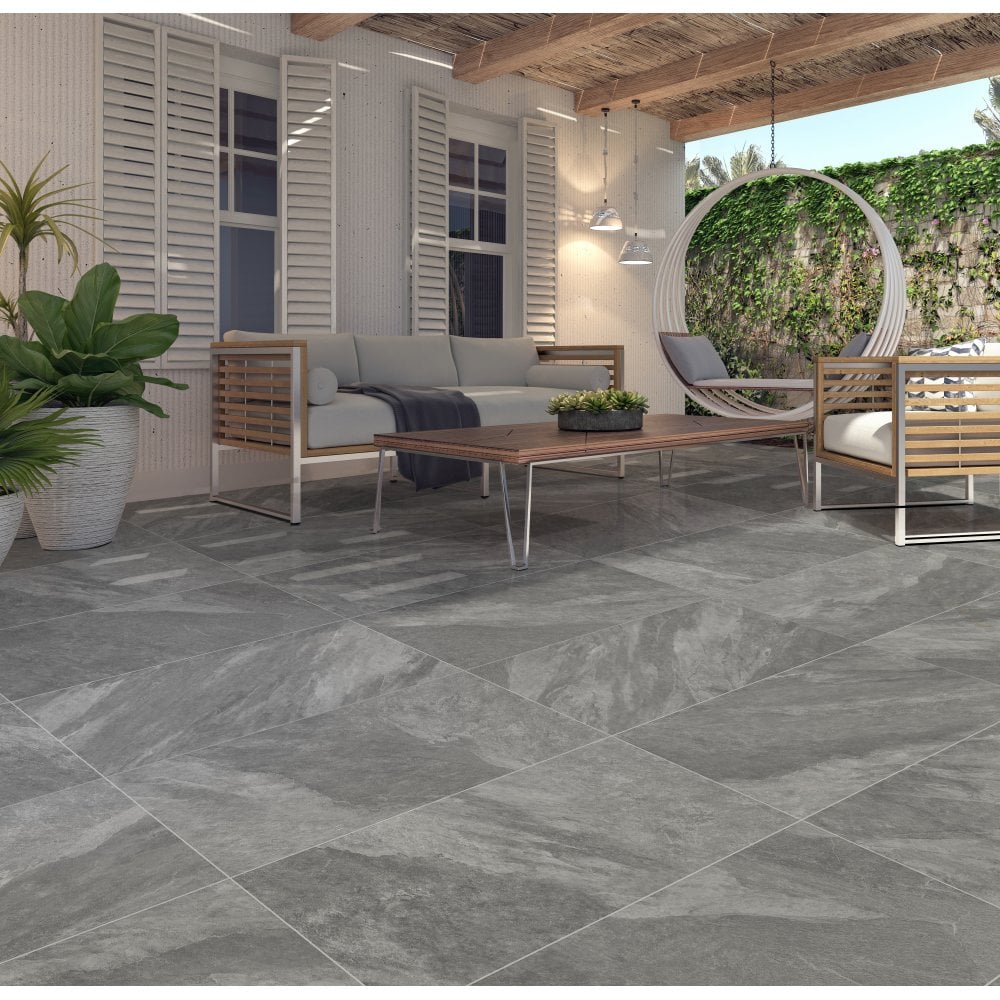
Porcelain and sandstone paving works brilliantly in any style of garden. Typically, porcelain is the more popular choice for a modern look, offering a sleek, contemporary finish. Sandstone tends to be better suited to more traditional outdoor spaces. Their more natural and rustic appearance complements gardens with a focus on greenery and flowers.
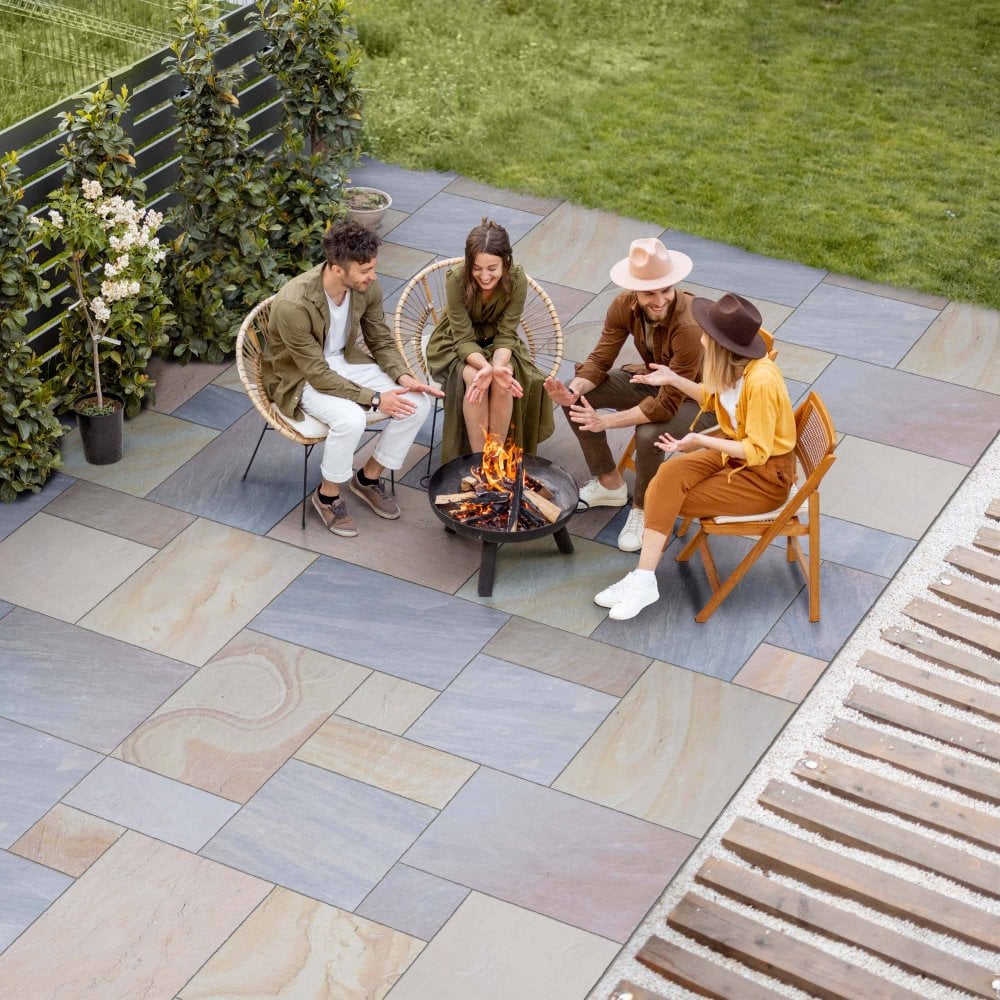
Whether you choose porcelain or sandstone for your outdoor space, you will get durable and stylish paving that will keep your garden looking great for years. At Beatson’s, we have an extensive selection of porcelain and sandstone paving stones so you can find the perfect fit for your project.
Comments are closed here.