
Types of Fence Panels: A Complete Buying and Installation Guide
Replacing your fencing might seem like a daunting task. Finding the right style for your home, understanding regulations, and ensuring the structure is built to last can quickly become overwhelming. At Beatson’s, we believe that choosing and installing a fence should be straightforward and rewarding. This expert guide breaks down everything from choosing the best design to getting your installation right the first time, ensuring you avoid costly mistakes.
TL;DR
- Identify your needs first: Privacy, security, and aesthetics will dictate which panel style is right for your garden.
- Understand your materials: Different styles offer varying levels of durability and wind resistance.
- Nail the installation: Using the right post size and adhering to the correct post depth are crucial for a sturdy, long-lasting boundary.
- Maintain for longevity: Regular treatments and painting will drastically extend the life of your timber.
Content
Project Planning: What to Consider Before Buying a Fence
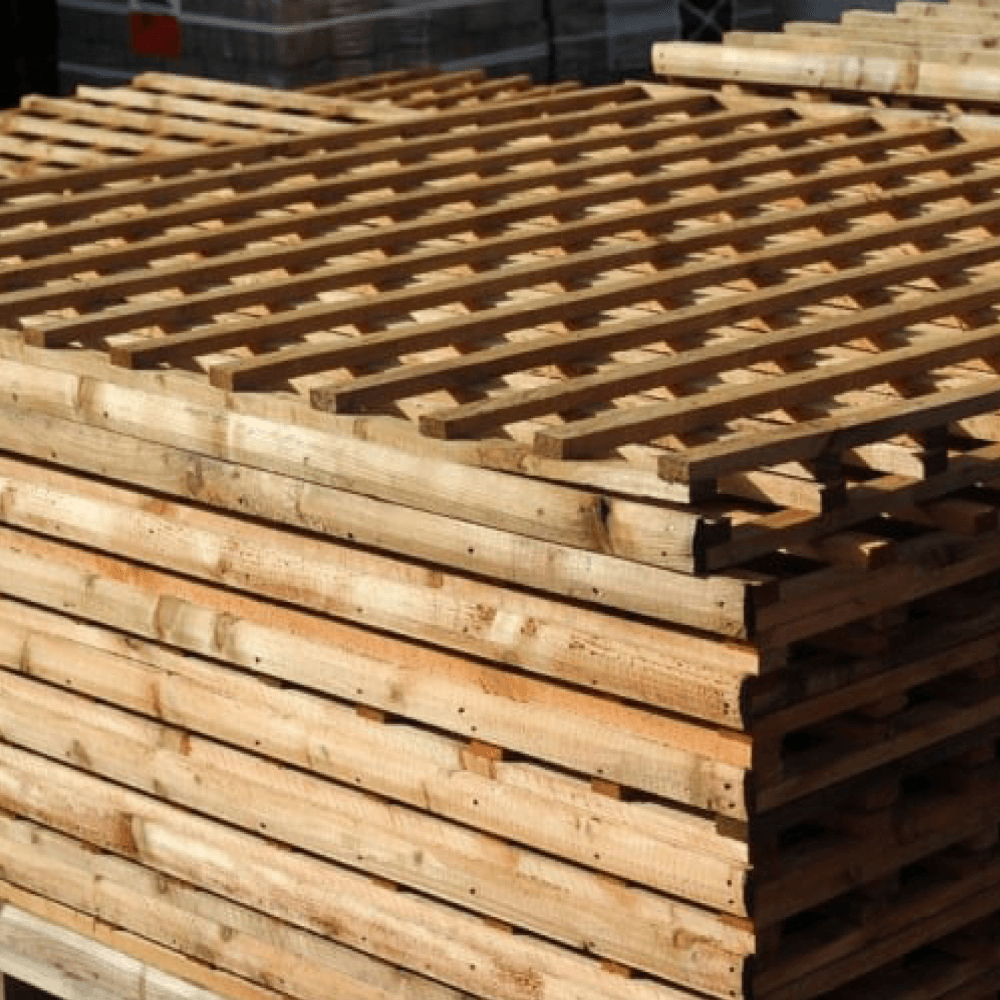
Before purchasing materials, you must determine the primary purpose of your fence, measure your boundary accurately, and check local planning permissions. Factors such as privacy requirements, desired aesthetics, and regional wind exposure will guide your final choice. Understanding these elements upfront prevents costly errors and ensures a smooth installation process.
When planning your project, start by asking what you need the fence to achieve. If security and privacy are your top priorities, tall, solid structures are best. For creating subtle boundaries within a garden or dividing vegetable patches, shorter decorative options work perfectly.
You also need to think about the weather. You might be wondering: Do you need gaps in a fence for wind? The short answer is yes, especially if you live in a highly exposed area. Solid barriers take the full force of a gale, which can snap posts and break timber. Panels with slight gaps allow the breeze to pass through safely, reducing the strain on the overall structure.
Finally, always verify local boundaries and height restrictions. The standard maximum height without planning permission in the UK is generally two metres (or one metre if adjacent to a public highway), but it is always wise to double-check with your local authority.
Exploring the Different Types of Fence Panels
The most common types of fence panels include closeboard, overlap, picket, slatted, tongue-and-groove, and lattice. Each style offers unique benefits. Overlap panels are budget-friendly and traditional, whereas tongue-and-groove boards provide unmatched security and privacy. Slatted and picket styles are excellent for decorative boundaries and wind resistance.
With so many choices available, narrowing down the best option is much easier when you understand the benefits of each design. As you browse, you might wonder how wide a fence panel is generally. In the UK, standard panels are typically 1.83 metres (6 feet) wide, though heights vary significantly.
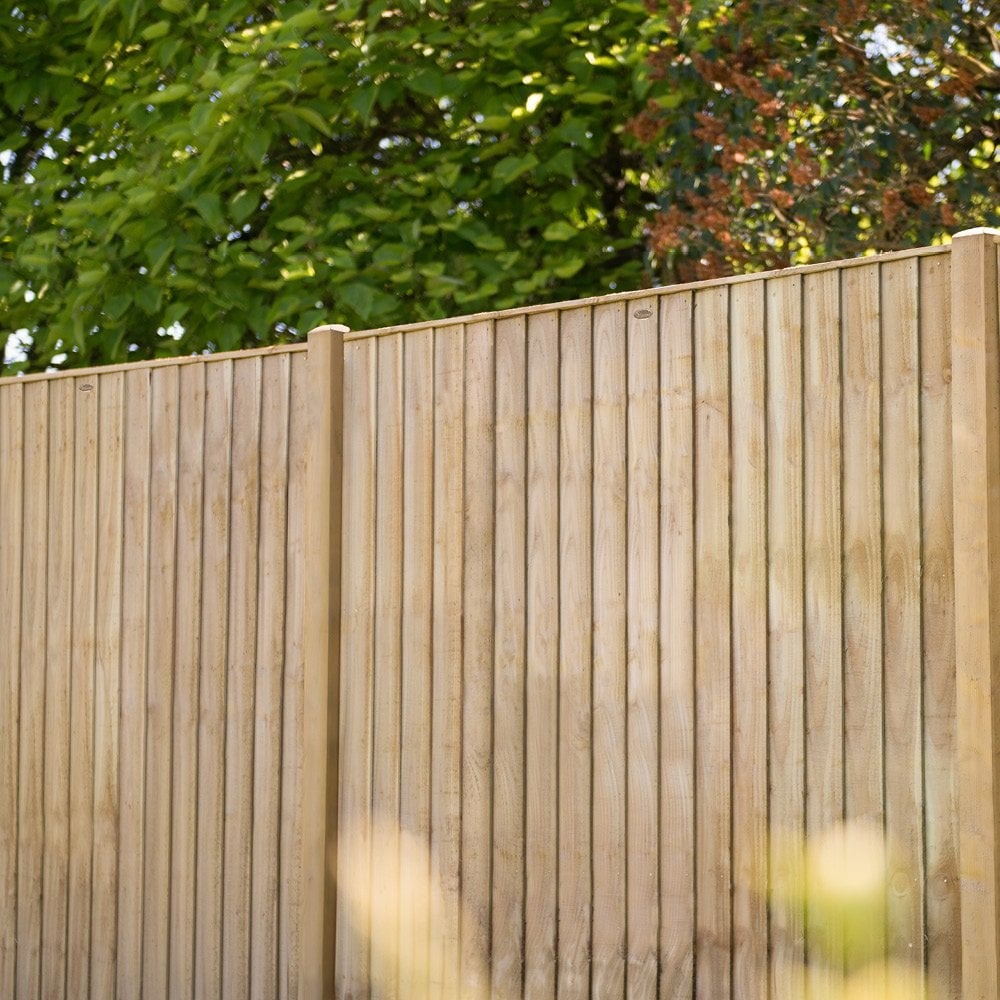
Closeboard Fencing: Closeboard is a robust, vertical-board style supported by horizontal rails at the back. It is exceptionally durable, handles bad weather brilliantly, and offers a neat, traditional aesthetic that suits almost any property.
Overlap Fencing: Overlap is the classic, budget-friendly choice. It features horizontal boards that overlap to create a solid boundary. While slightly less robust than closeboard, it provides excellent privacy and will last for years with proper treatment.
Picket Fencing: Picket fences are shorter, featuring spaced-out vertical boards attached to horizontal rails. They bring instant character and charm. Because the design lets air flow freely, picket fencing is highly resistant to strong gusts.
Slatted Panels: For a contemporary look, slatted panels are an ideal choice. They use horizontal boards with deliberate gaps in between. This modern design provides a sleek finish while allowing natural light and breeze to pass through comfortably.
Tongue and Groove: If your priority is maximum strength, tongue-and-groove is the ultimate solution. The interlocking boards create a formidable, solid barrier that is fantastic for privacy and even helps reduce noise.
Lattice Tops: Lattice fencing features a decorative trellis section at the top of a solid panel. It is a brilliant compromise for keen gardeners who want privacy but also wish to encourage climbing plants and allow sunlight into their borders.
Fence Post Installation: A Step-by-Step Guide
A stable fence relies entirely on proper post installation. You must select the appropriate timber or concrete posts, dig a hole to the correct depth (typically one-third of the post’s total length), and secure the base firmly with concrete. Proper execution prevents sagging and ensures long-term structural integrity.
When building your boundary, the panels are only half the story. You also need to consider the different types of fence posts available. The most common options are pressure-treated timber (which blends beautifully with wooden panels) and concrete posts (which offer superior longevity and rot resistance).
What Size Fence Post Do I Need?
Choosing the correct thickness is vital for stability. If you are wondering what size fence post you need, it largely depends on the height and weight of your panels. A 75mm post is perfectly fine for low, lightweight structures like picket fences. However, for anything above 1.2 metres (4 feet) or for heavy tongue-and-groove boards, a robust 100mm post is highly recommended to prevent snapping under pressure.
How Deep Should a Fence Post Be?
Digging the hole correctly is the most critical part of the job. Exactly how deep should a fence post be to ensure safety? The golden rule of fencing is that one-third of the post must be buried underground. For example, if you want a fence that stands 1.8 metres (6 feet) above the ground, you need a 2.4-metre (8-foot) post, with 600mm (2 feet) securely buried.
Setting the Post
Never set a supporting post using just loose dirt. Over time, the soil will shift, leaving you with a leaning, unstable boundary. Instead, you should always secure the base with a high-quality concrete mix. This provides a heavy, solid anchor. If you are using timber posts, ensure the very bottom rests on a layer of gravel within the hole rather than sitting directly in soil or pooling water, as this drastically reduces the risk of rot.
Fencing Maintenance: Protecting Your Investment
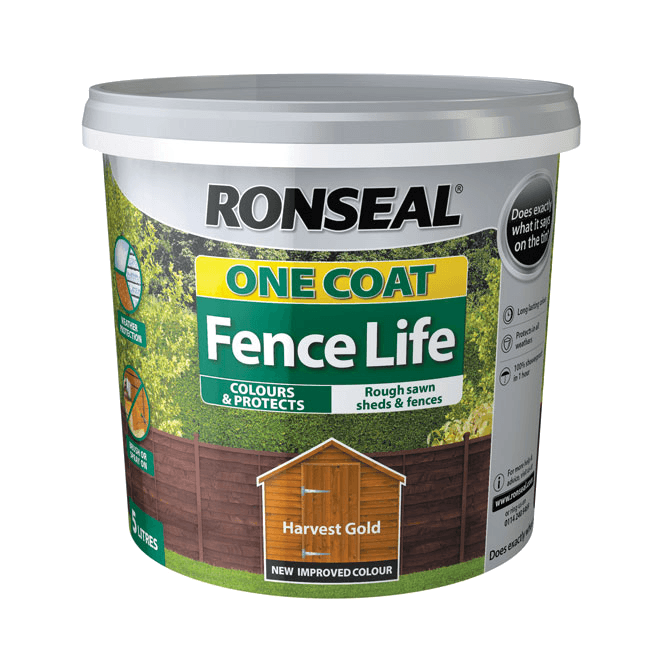
Regular maintenance is essential for preserving the lifespan and appearance of your fence. Applying a high-quality wood preserver or exterior paint every couple of years protects the timber from moisture ingress, rot, and UV damage, keeping the structure strong and visually appealing through all seasons.
Once your hard work is complete, taking care of the timber will save you money in the long run. British weather is notoriously damp, and untreated wood will eventually succumb to mould and decay. Painting or staining your panels is not just about choosing an attractive colour; it provides a vital waterproof seal. At Beatson’s, we stock a comprehensive range of exterior paints and preservers designed to keep your boundaries looking pristine year after year.
Frequently Asked Questions (FAQs)
Do I need planning permission for a new fence?
In most cases, you do not need planning permission if the fence is under two metres high (or under one metre if it sits next to a road used by vehicles). However, properties in conservation areas or listed buildings are subject to stricter rules, so it is necessary to check with your local council.
How long does a wooden fence last?
A well-maintained, pressure-treated timber fence can easily last between 10 and 15 years. Using concrete gravel boards at the base to keep the timber off the wet ground can extend this lifespan even further.
Can I replace just one fence panel?
Yes, replacing a single damaged panel is entirely possible and very cost-effective. Simply measure the width of your existing gap (standard panels are usually 1.83m wide) and slide the new board into place between the existing posts.
Fencing Supplies at Beatsons
Choosing the right boundary for your home does not have to be a stressful experience. By understanding the available styles, measuring accurately, and taking the time to install your posts with care, you can build a secure, attractive feature that will last for years.
Ready to get started? Browse the complete collection of high-quality fencing supplies online at Beatson’s today, or pop into your local branch where our friendly team is always on hand to help you find exactly what you need.
Read Next
How To Install a Garden Gate: 10 Easy Steps To Success
How to Build a Garden Wall in 7 Easy Steps
Spring Garden Maintenance: The Complete Outdoor Cleaning & Repair Guide
Comments are closed here.