
The Complete Buyer’s Guide to Artificial Grass
A lush, green lawn is the goal for most of us, but between the Scottish weather and the constant need for mowing, weeding, and feeding, keeping a natural lawn looking good is hard work. Artificial grass has become a go-to for busy families and pet owners who want a tidy garden they can actually use year-round.
If you are weighing up the switch to synthetic turf, this guide covers everything from picking the right pile height to the nuts and bolts of installation.
TL;DR
The Choice: For most family gardens, a 30mm–38mm pile height offers the best balance of softness and long-lasting durability.
The Secret: A professional finish is all in the sub-base. Digging out the turf and using compacted Type 1 MOT and sharp sand ensures your lawn stays level and drains properly.
The Upkeep: It’s low maintenance, not “no” maintenance. Keep it looking fresh by brushing the pile occasionally and rinsing away pet mess with water or a mild cleaner.
The Tools: You’ll need a sharp knife, joining tape, adhesive, and a plate compactor to get the job done right.
Content
Is Artificial Grass Right for You? (Pros & Cons)
Before you dive in, it’s worth looking at the full picture. While it solves many problems, it’s a different experience from natural grass.
The Perks:
- Low Maintenance: No more mower, no more edging, and no more bags of lawn feed.
- Weatherproof: No mud in the winter and no brown patches during a dry spell.
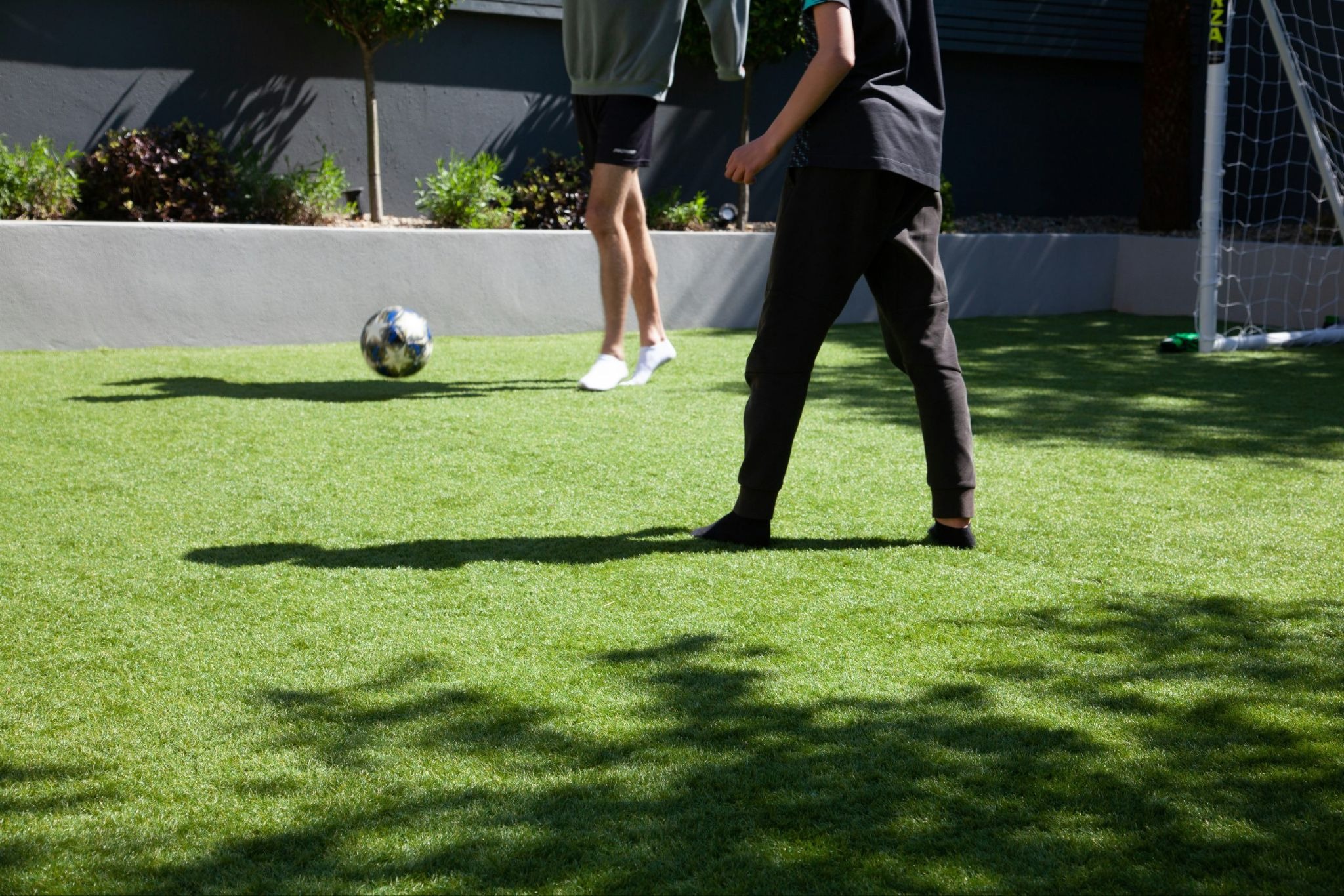
- Durability: It withstands heavy foot traffic, kids playing football, and pets running around.
The Trade-offs:
- Heat: Synthetic fibres can get quite hot in direct midday sun. On very warm days, you might need to give it a quick spray with the hose to cool it down.
- Initial Cost: The upfront cost of the grass and sub-base materials is slightly higher than that of seed or turf.
- Environment: While you save on water and chemicals, it doesn’t offer the same biodiversity as a natural lawn.
Choosing the Right Grass for Your Project
Not all artificial grass is the same. The “best” one depends entirely on how you plan to use it.
Pile Height and Density
- Short (20mm – 30mm): Great for high-traffic areas or for a neat, “just-mowed” look. It’s also easier to clean if you have pets.
- Medium (30mm – 38mm): The sweet spot for most family gardens. It’s soft underfoot but still resilient.
- Long (40 mm+): Offers a luxurious, dense feel. It looks fantastic, but it can “flatten” more easily, so it requires more regular brushing.
What to Look For
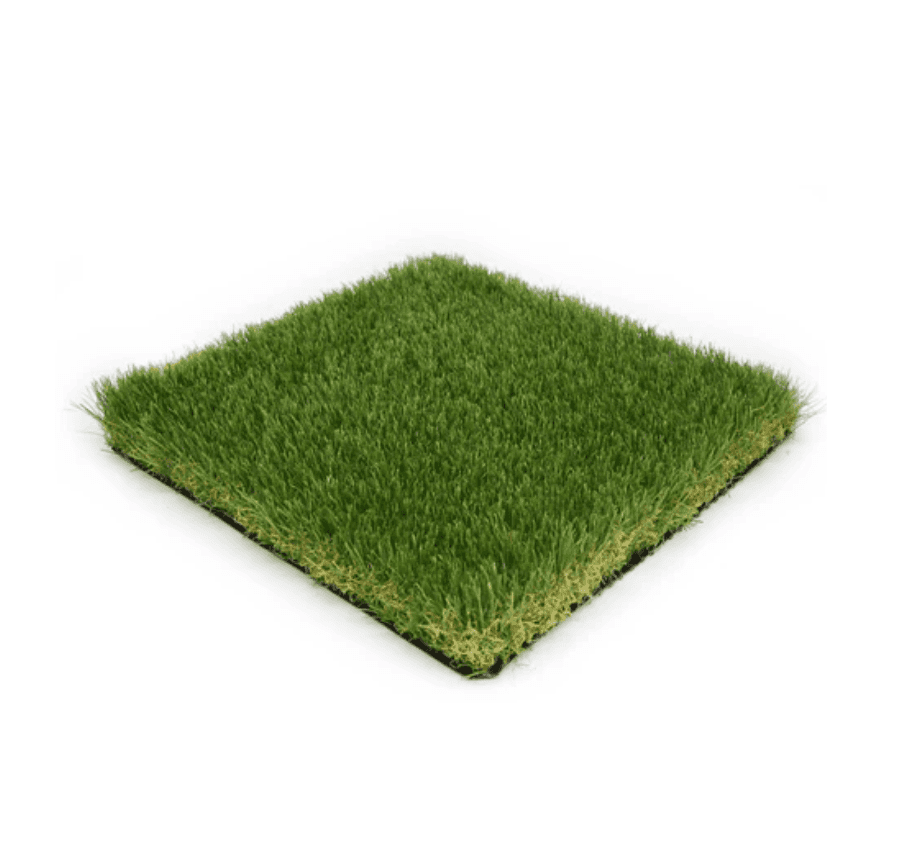
Check the backing; it should be heavy and durable with plenty of drainage holes. Look at the colour too; the most realistic grasses usually have a mix of green shades and a bit of “thatch” (the curly tan-coloured fibres at the base) to mimic real lawn.
What Tools and Materials Do You Need?
To get a professional finish that doesn’t sag or puddle, you’ll need the right kit.
The Essentials:
- Your chosen artificial grass
- Sub-base materials: Sharp sand or 6mm granite dust and Type 1 MOT.
- Weed membrane: To stop anything growing through from below.
- Fixings: Joining tape, adhesive (such as OB1), and U-pins or galvanised nails.
- Tools: A sharp utility knife (with plenty of spare blades), a heavy-duty brush, and a plate compactor (which you can usually hire).
How to Install Artificial Grass: A Step-by-Step Guide
- Clear the Area: Remove the existing turf and any large stones. You’ll usually need to dig down about 75-100mm.
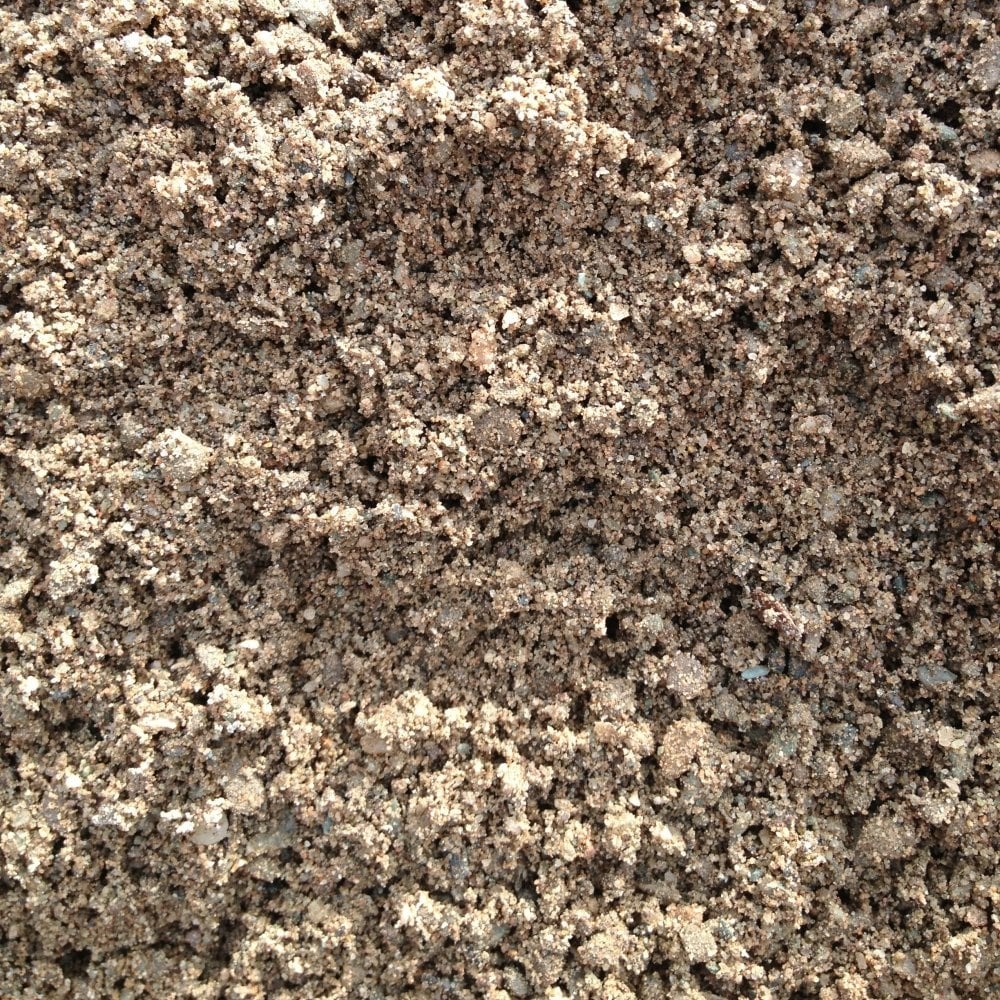
- Prepare the Base: This is the most important part. Fill the area with Type 1 MOT and compact it. Follow this with a layer of sharp sand or granite dust to create a smooth, level surface.
- Membrane: Lay your weed membrane over the sand. This prevents weeds but allows water to drain away.
- Laying the Grass: Roll out your grass. If you have multiple rolls, make sure the “pile” (the direction the blades lean) is facing the same way on every piece. For the best look, have the pile leaning towards your house.
- Trimming and Joining: Cut the edges carefully with a sharp knife. If joining two pieces, use specialist joining tape and adhesive. Avoid getting glue on the grass blades!
- Securing: Use u-pins or nails every 20cm–30cm along the edges to keep everything in place.
- The Finish: Give the lawn a vigorous brush with a stiff broom to pull the blades upright
Cleaning and Maintenance
One of the most common questions we get is how to clean artificial grass. While you don’t have to mow it, you do need to look after it to ensure it lasts.
- Debris: Use a leaf blower or a plastic rake to remove leaves and twigs. If left, these can break down, encouraging weed growth in the pile.
- Pet Waste: Artificial grass is great for dogs. Simply pick up solid waste and rinse the area with water. For odours, use a specialised artificial grass cleaner or a mild detergent.
- Brushing: Every few months, give the grass a brush against the pile to keep the blades from flattening.
Frequently Asked Questions (FAQs)
How much artificial grass do I need?
Measure the widest and longest points of your garden. Most rolls come in 2m or 4m widths. Try to plan your layout to have as few joins as possible.
What should I put under artificial grass for drainage?
A solid base of Type 1 MOT followed by sharp sand or grit is the standard. This ensures water can soak through the grass backing and into the ground without creating puddles.
How long does artificial grass last?
A good quality lawn should last between 10 and 15 years, depending on how much use it gets and how well it’s maintained.
Is artificial grass good for dogs?
Yes. It doesn’t get muddy, it’s tough, and it can’t be dug up. Just ensure you have a good porous base for drainage.
What lengths does it come in?
While widths are usually fixed at 2m or 4m, you can typically order the length to the nearest metre to fit your specific garden size.
Need a hand getting started? Whether you’re looking for the grass itself or the sand and tools to lay it, we can help. Browse our full garden landscaping range or pop into your local Beatson’s branch to see the samples in person.
Read Next
Spring Garden Maintenance: The Complete Outdoor Cleaning & Repair Guide
How To Install a Garden Gate: 10 Easy Steps To Success
How to Build a Garden Wall in 7 Easy Steps
Comments are closed here.