
Hedge Trimmer Buying Guide: How to Choose the Right Tool for Your Garden
If you’re looking to bring some quick order to your hedges and bushes, a hedge trimmer is a must-have tool for any garden shed. It lets you get the job done quickly and easily, turning a chore into a satisfying task.
With so many options on the market, it can be challenging to know which hedge trimmer is the right fit for your garden, which is why we’ve created this easy-to-follow guide to help you pick the perfect model.
Jump to:
- Key Takeaways
- What is a Hedge Trimmer?
- The Decision-Making Process: How Do I Choose the Right Trimmer?
- Step-by-Step: How to Use a Hedge Trimmer Safely
- A Note on Nesting Season and the Law: Avoid a Criminal Offence
- FAQs

Key Takeaways
- Power: Go Cordless (like a Webb cordless hedge trimmer) for easy, everyday home use, or choose petrol options for maximum power on large, woody hedges.
- Blade Match: Check the Cutting Capacity (Tooth Gap); if you have tough, mature branches, you’ll need a blade with a tooth gap of 25 mm or more.
- Trim Technique: Always cut from the bottom up and angle the sides so the base is wider than the top for a healthier hedge.
- Avoid nesting season: Plan any major trimming outside of nesting season (March to September) to protect local wildlife. It is a criminal offence under the Wildlife and Countryside Act 1981 to intentionally destroy or damage the nest of any wild bird while it is in use or being built.

What is a Hedge Trimmer?
A hedge trimmer is a handheld garden power tool designed to cut and shape hedges, shrubs, and bushes. It has a motor and reciprocating blades that move back and forth, cutting through foliage much more quickly than handheld shears.
Getting the right tool makes a huge difference, turning a time-consuming chore into a quick and genuinely rewarding task. When choosing the right trimmer, consider the size of your garden and the type of hedges you have.
The Decision-Making Process: How Do I Choose the Right Trimmer?
Choosing the right hedge trimmer essentially comes down to three key factors: the power source, the type of material you’ll be cutting, and the tool’s specifications.
1. Choosing the power type
The first step in answering the question “which hedge trimmer?” is deciding on the power source. Each type has its own advantages and disadvantages, based on power, convenience, and maintenance requirements.
| Type | Best For | Pros | Cons | We recommend: |
|---|---|---|---|---|
| Corded Electric | Small, easily accessible gardens and light work. | Lightweight, most affordable, reliable continuous power. | Restricted by the length of the cable, risk of cutting the cord. | |
| Cordless (Battery) | Small to medium gardens, or areas far from a power source. | Ultimate freedom of movement, quieter, and low maintenance. | Runtime is limited by battery life, can be more expensive initially. | |
| Petrol | Large properties, thick, woody hedges, or commercial use. | Highest power, unrestricted freedom, great for tackling tough vegetation. | Loud, requiring more maintenance, this is the heaviest option. |
| For home use, a Webb cordless hedge trimmer or similar battery-powered model strikes the perfect balance, giving you the freedom to move without restriction. |
2. Match the Trimmer to Your Hedges
Next up, think about the kind of bushes and hedges you’re tackling. The thickness of your branches determines the necessary cutting capacity of your trimmer.
Cutting Capacity (Tooth Gap): This is the maximum thickness of a branch the blades can handle.
- 15-20mm: Ideal for light, new growth and ornamental shrubs.
- 20-25mm: Perfect for mature hedges and general garden maintenance.
- 25mm+: Needed for thick, woody, or neglected hedges.
3. Features to Look Out For
Beyond the power type, a few key features make a big difference in comfort and performance:
- Blade Length: Longer blades (50cm+) are more suitable for large, flat hedges, while shorter blades (40cm or less) offer better control and are lighter, making them ideal for detailed shaping.
- Weight & Ergonomics: If you’re using the trimmer for a long period, weight is crucial. Look for a well-balanced model, like many of the Webb hedge trimmer options, which are designed for comfortable use.
- Long-Reach or Telescopic Trimmers: Essential for those with tall hedges who want to avoid using a ladder. These allow you to trim the top while standing safely on the ground.

Step-by-Step: How to Use a Hedge Trimmer Safely
Once you’ve chosen the right tool for your garden, follow these steps for an efficient and professional trim.
Phase 1: Preparation
- Safety First. Always wear protective gear, including safety glasses, sturdy gloves, and hearing protection (especially with petrol models).
- Clear the Area: Rake up any debris and remove objects or cables that could get in the way when trimming.
- Inspect the Blades: Make sure your blades are clean and sharp. Dull blades tear the foliage, harming the plant and making the job much harder.
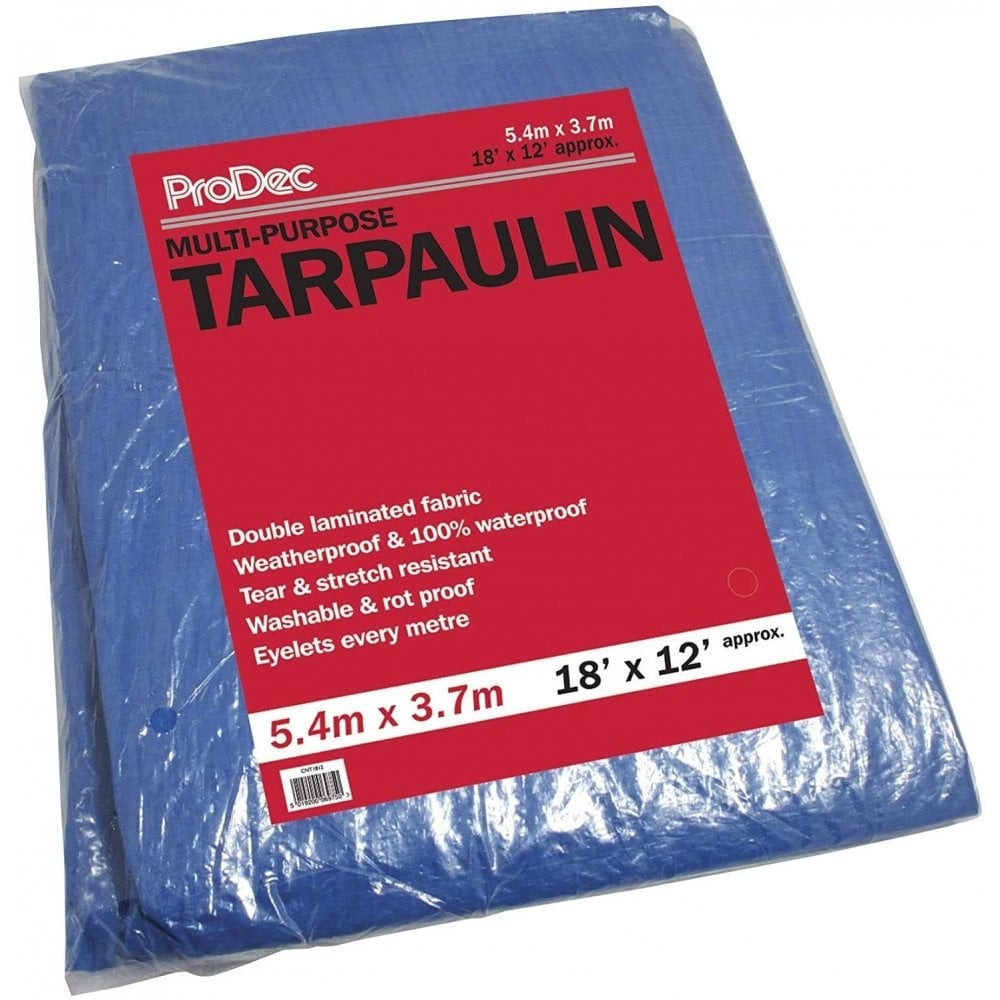
- Lay down a tarpaulin: Putting a tarpaulin on the ground for catching the cuttings will make clean-up a lot easier.
We recommend: Prodec 5.4m X 3.7m Standard Tarpaulin
Phase 2: Execution
- Start with the Sides: Start by cutting the vertical sides of the hedge. Work from the bottom upwards, using a smooth, sweeping motion. Doing this ensures the cut material falls away from the hedge, allowing you to see your progress.
- Angle the Sides: For a healthy, dense hedge, it’s best to shape the sides so they are slightly narrower at the top than the bottom. Doing this allows sunlight to reach the base of the hedge.
- Trim the Top: Next, tackle the horizontal top. Hold the trimmer level and sweep across the top in a smooth, even motion. Consider using a taut string line as a guide for a perfectly straight finish.
Phase 3: Maintenance & Looking After Your Trimmer
To keep your hedge trimmer in top shape, a little maintenance goes a long way.
- Clean After Use: Remove sap and debris from the blades immediately after trimming. A blade cleaner or light oil works well.
- Lubrication: Spray a light machine oil onto the blades before and after each use to keep them running smoothly and prevent rust.
- Storage: Store your trimmer in a dry, safe place away from moisture.
A Note on Nesting Season and the Law
Before you start any major trimming, it’s important to be mindful of nesting season. In the UK, the main season for nesting birds generally runs from March to September.
It is a criminal offence under the Wildlife and Countryside Act 1981 to intentionally destroy or damage the nest of any wild bird while it is in use or being built, so to avoid the risk of knowingly disturbing nesting birds, we strongly recommend planning any major hedge cutting outside of this time.
The best time to trim is typically either just before the season starts (late February) or after it has ended (September to October). This way, you ensure your garden improvements don’t come at the cost of local wildlife.
If you need to trim during the nesting months, you should always carefully inspect the hedge for any active nests before you begin. Even a quick check can help you spot any signs of birds or nesting material, allowing you to work around the area and keep yourself on the right side of the law.
FAQs
How to Sharpen Hedge Trimmer Blades
Dull blades are a common problem. Here’s a quick guide on how to sharpen hedge trimmer blades:
- Disconnect the trimmer from the power source (unplug corded models, remove battery, or remove spark plug for petrol).
- Clean the blades thoroughly to remove any dirt or sap.
- Sharpen: Use a flat file or a small honing stone. Sharpen the cutting edge of each blade tooth by filing in the direction of the original bevel (the sloped edge). Do this a few times on each tooth until the edge is clean and sharp.
- Lightly file the flat, non-cutting side of the blade to remove the rough edge created during sharpening.
- Lubricate: Apply a thin layer of oil to the trimmer before reassembling it.
Everything You’ll Need to Finish the Job
A hedge trimmer is the main event, but don’t forget the essentials to make sure everything goes smoothly.
- Extension Leads: If you’ve chosen a corded model.
- Ladders & Platforms: For those high-up areas.
- Protective Gear: Safety glasses, gloves, and ear defenders.
- Tarpaulin/Sheet: Lay one down before you start, to make the clean-up of clippings easier.
We recommend:
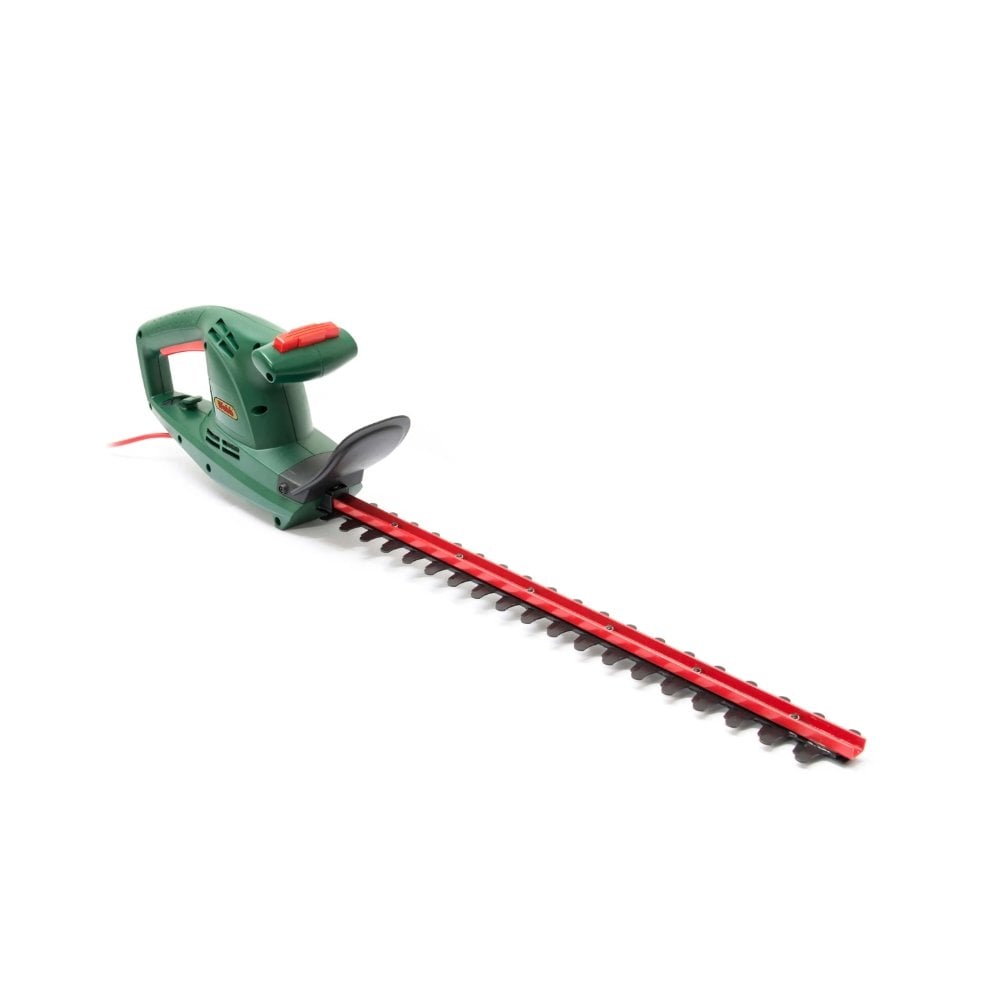

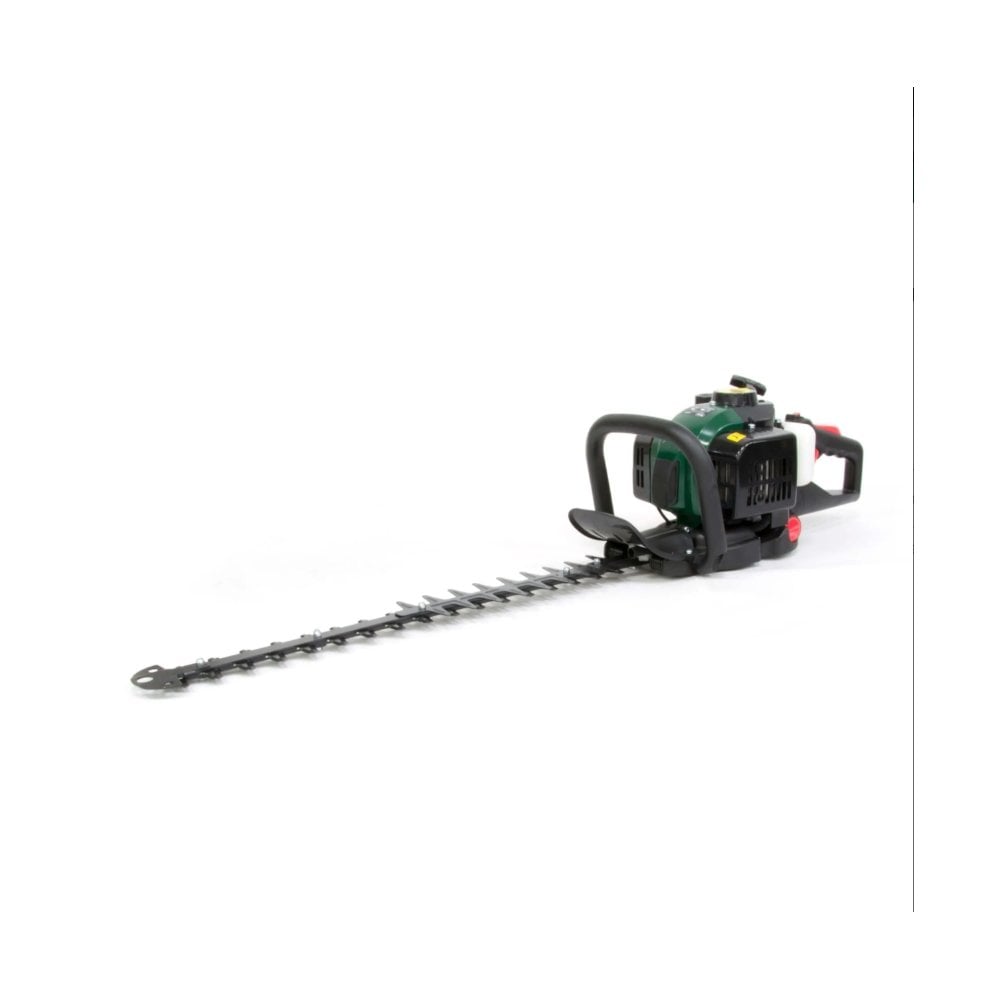
Shop our range of hedge trimmers from Beatsons
Choosing the right hedge trimmer doesn’t have to be complicated. By simply considering the size and type of your hedges, you can easily find the model that suits your needs. From the convenient cordless hedge trimmer for a tidy garden to a powerful petrol model for those heavy-duty jobs, the right garden power tool gives you the confidence to get out there and sculpt your garden into the beautiful space you’ve been wanting.
Ready to take control of your garden’s greenery? Beatson’s has a fantastic range of trimmers and all the essential garden power tools you need to get the job done right. We’re here to help you transform your garden and achieve the crisp, professional finish you’ve been dreaming of.
Related
Buyer’s Guide to Artificial Grass
Comments are closed here.